
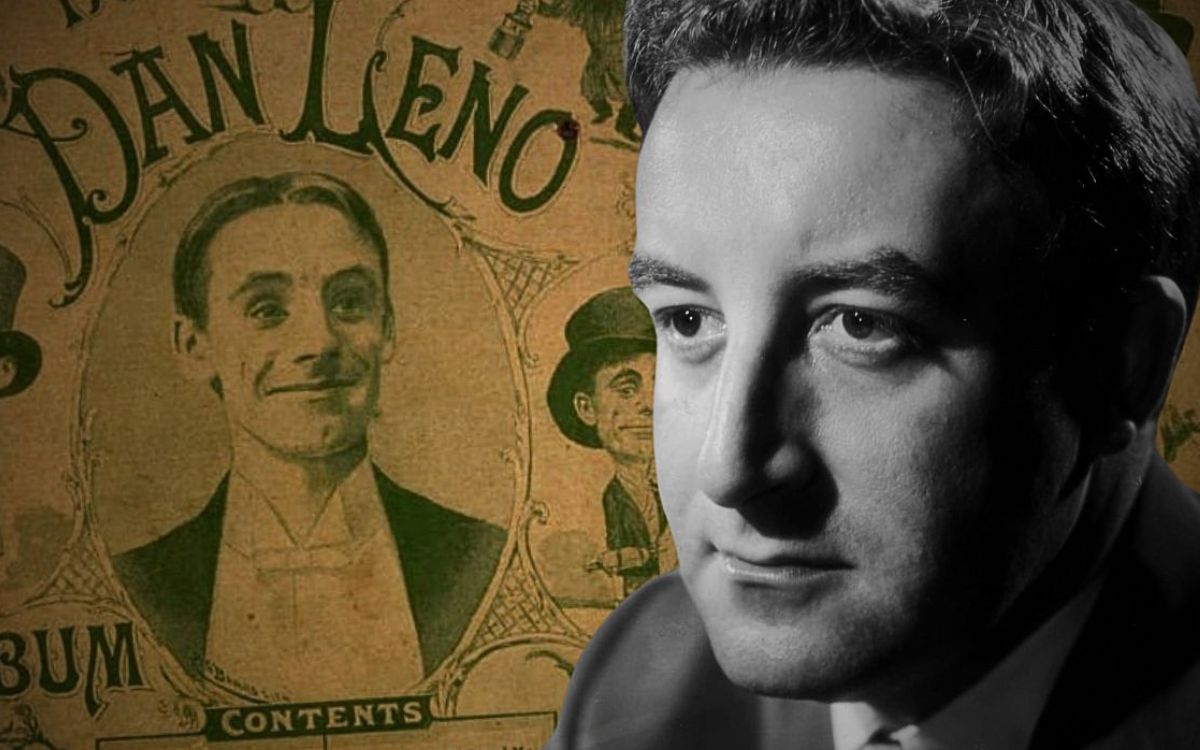
Actor Peter Sellers was not shy about his interest in the supernatural. Throughout the 1950s and 1960s, he openly spoke of psychic experiences, spiritual advisers and unseen influences.
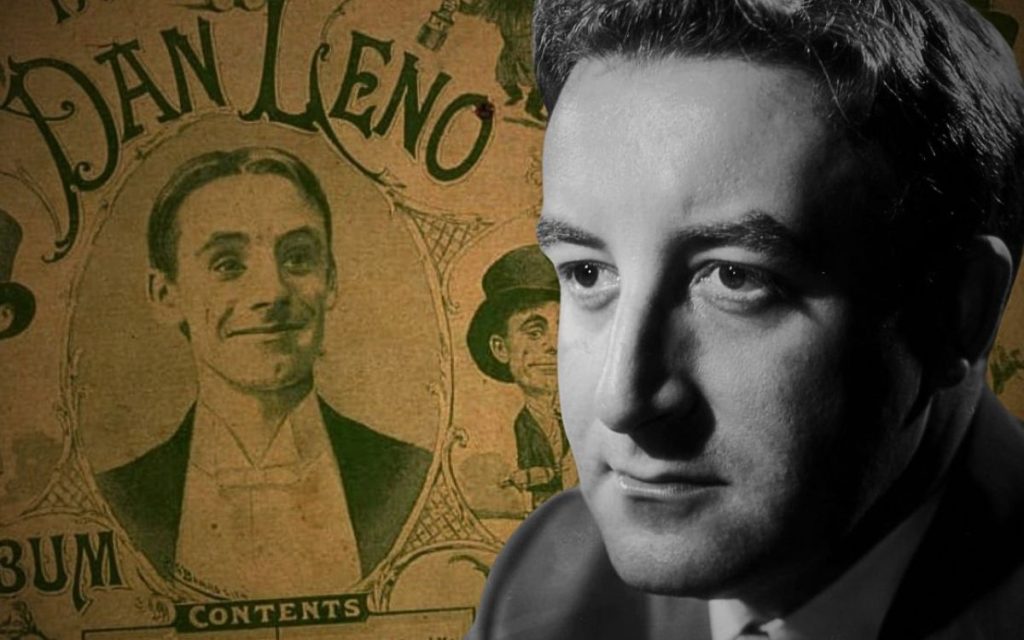
Among them was one figure in particular: the Victorian music hall star Dan Leno.
Leno (1860–1904) was one of the most celebrated performers of his era. A master of pantomime dames and comic character acting, he played to packed houses across London.
But his later years were troubled. Biographers record exhaustion, mental instability and increasingly erratic behaviour before his death at the age of 43. His dramatic rise and decline became part of theatre folklore.
Sellers became fascinated with him.
According to contemporary accounts, Sellers was introduced to Leno’s spirit through the medium Estelle Roberts, a well-known spiritualist of the mid-20th century. Roberts claimed communication was facilitated by her spirit guide, known as Red Cloud.
Sellers appears to have accepted this. In interviews and conversations, he referred to “Dan” as a presence offering guidance. He reportedly credited Leno with influencing creative decisions and even claimed he had been warned against taking certain film roles, including Casino Royale.
This was not said jokingly.
Peter Sellers and the Supernatural
By the late 1960s, Sellers’ belief in psychic phenomena was widely known. He consulted astrologers, explored spiritual healing and showed serious interest in alternative medicine.
None of this was hidden from public view; it formed part of his complex reputation.
In 1968, Sellers learned that Leno had once lived in Kennington, south London. The house still stood. He insisted on visiting.
An eyewitness account describes what followed. On a hot afternoon, Sellers arrived at the modest terraced property dressed casually in a sailor-style top and khaki shorts.
When the current resident answered the door, events escalated quickly. Before a full explanation could be given, Sellers moved past her and entered the house.
Inside the narrow hallway and small rooms, he called out:
“It’s me, Pete. I know you’re here. Talk to me, Dan.”
There was no séance, no staged performance. The resident, understandably alarmed, threatened to call the police.
No apparition was reported. No unexplained disturbances occurred. Yet those present later stated that Sellers did not appear to be joking.
The incident took place before the period of heavy substance use that marked parts of his later life. His behaviour that afternoon was described as intense and serious.
Sellers’ attraction to mysticism deepened as he grew older. In the 1970s, he increasingly pursued alternative therapies alongside conventional medical treatment, consulting spiritual advisers and healers.
Friends and biographers have noted his long-standing interest in psychic phenomena and unconventional belief systems. Whether this reflected curiosity, conviction or something more complicated remains a matter of interpretation.
Dan Leno is buried in Lambeth Cemetery. His former home in Kennington remains outwardly unremarkable, one terraced house among many.
Yet for a brief moment in 1968, it became the setting for an extraordinary encounter — a world-famous actor walking from room to room, addressing a performer dead for more than sixty years as though he might answer back.
South London has no shortage of hauntings. Few, however, are tied to a figure as well known as Peter Sellers — or to a story in which belief itself becomes the unsettling element.