

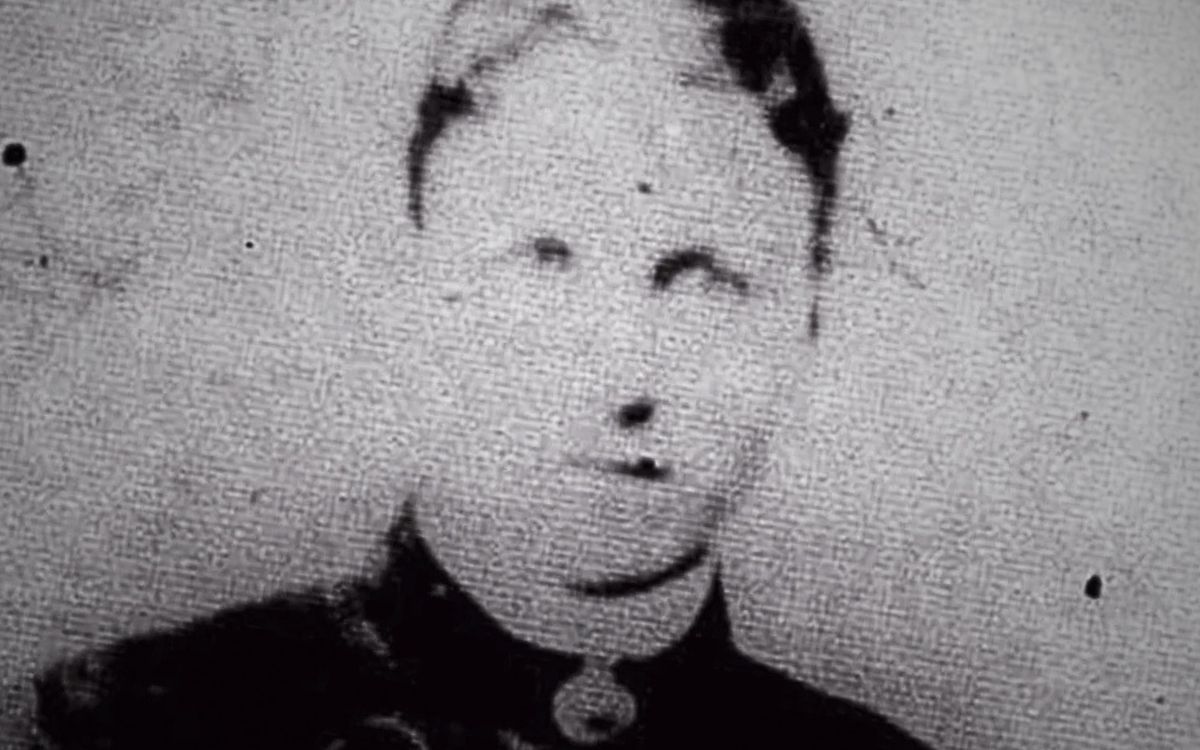
A new short film simply titled ‘Bridget’ has been released. It explores the story of Bridget Cleary, the woman often called Ireland’s last witch burned.
The film written and directed by Anne Williamson, has recently gained international attention, earning multiple award nominations. So why has a tragic event from 19th century rural Ireland been brought into today’s movie world?
As with many Irish tales steeped in folklore, the truth behind the accusations and death of 26 year old Bridget Cleary is far darker and far more complex than the label suggests.
Her story isn’t just one of superstition. It is a chilling collision of belief, fear, illness and control in rural County Tipperary at the end of the 19th century. A story where fairy lore blurred into reality with fatal consequences.
Here are 10 things you might not know about Bridget Cleary – the woman at the centre of one of Ireland’s most unsettling true crime stories.
10 Things You Didn’t Know About Bridget Cleary
She wasn’t actually accused of being a witch
Despite the enduring nickname, Bridget Cleary was never formally accused of witchcraft. Instead, her husband believed she had been replaced by a fairy changeling, which is a very different concept in Irish folklore.
Her death was rooted in fairy belief – not religion
This wasn’t a case of religious persecution. It was driven by deeply embedded folk beliefs about fairies and changelings, still widely held in rural Ireland at the time.
From infants and children to adults, long term illness, mental health conditions or personality changes were blamed on the fairies swapping the real person for a sickly Changeling.
She was an unusually independent woman
Bridget was a dressmaker with her own income, even owning a Singer sewing machine, which was something quite rare for a woman of her time.
That independence may have set her apart from her peers, causing jealousy, insecurity and making her vulnerable to whispers and accusations.
Her home stood near a Fairy Fort
The Clearys’ cottage just outside Cloneen, County Tipperary was built on land associated with a fairy ringfort, places long feared and respected in Irish tradition.
Even today, many in Ireland wouldn’t dare disturb such ground and this could have heightened local fear or, if you believe, be the source of the darkness that enshrouded the Cleary home.
Illness triggered the nightmare
Bridget had been suffering from what was likely bronchitis or pneumonia before her death. This was certified by the attending physician who would later provide evidence during trial.
Her sudden decline fed into fears that ‘something wasn’t right’ – a classic marker in changeling lore. No doubt rambling and hallucinating with fever, her husband’s doubts were ‘confirmed’ with this seemingly out of character behaviour.
Ritual ‘cures’ were used on her
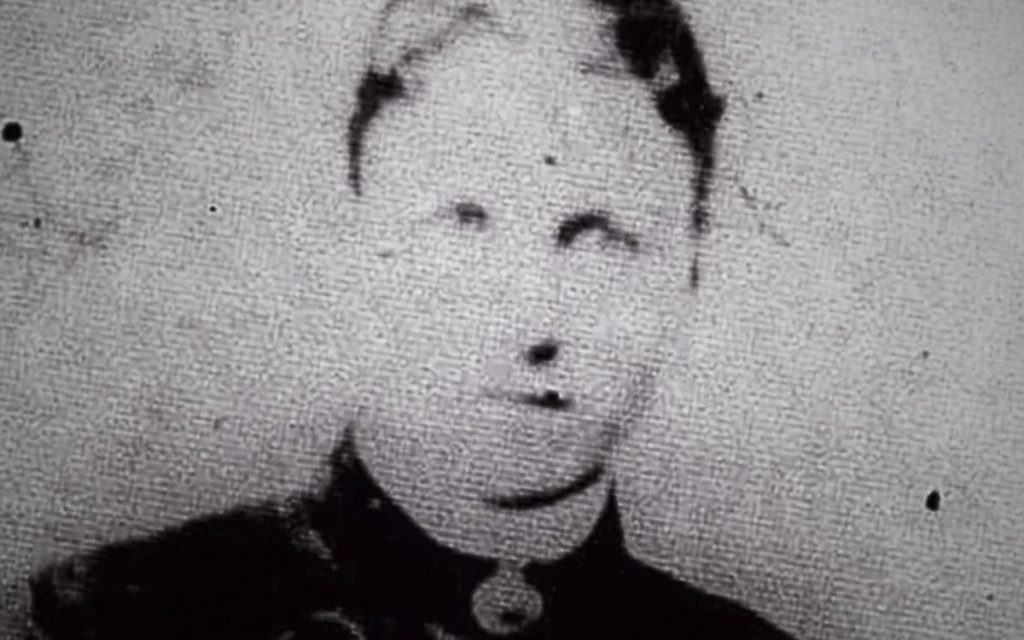
Before her death, Bridget was subjected to disturbing ‘treatments’ and cleansing rituals, including being force-fed herbal mixtures and held over the fire until her skin singed and crackled, to drive out the supposed evil fairy.
What began as superstition quickly became a very real and shocking brutality.
Multiple people were involved
This wasn’t a lone act. Nine people were charged in connection with her death, including her husband, his family and other members of the close knit community.
It was a chillingly shared belief, descending into group insanity.
The case shocked the world
The murder became a media sensation across Ireland and Britain, with intense public fascination and horror.
The disturbing case sparked debate about Irish society and rural beliefs at the time and strengthened the Church’s position on Christianity over pagan superstition.
It may have been a case of mass delusion
Some later theories suggest her husband may have suffered a psychotic episode, convincing others of his belief – what we would now call folie à plusieurs, or shared delusion.
Low self esteem, believing a smart, beautiful and independent woman would be with him, Michael Cleary spiralled into either insanity, or psychotic rage, leading to mass hysteria and murder.
The legend refuses to die
Bridget’s story still lingers in Irish culture and she is forever immortalised in a children’s rhyme:
“Are you a witch, or are you a fairy,
Or are you the wife of Michael Cleary?”
Her tale continues to inspire books, plays, film and poetry. Now the tragic account has a new outlet and the death of Bridget Cleary will reach across the globe.
A Story That Still Feels Uncomfortably Close
What makes Bridget Cleary’s story so haunting isn’t just its brutality, it’s how recent it feels.
This wasn’t medieval Ireland. This was 1895.
At a time when modern medicine existed and Catholicism was embedded in Irish culture, fear and folklore still held terrifying power.
And perhaps that’s why her story continues to resurface – on stage, on page and now on screen.
Because at its heart, this isn’t just a ghost, fairy or a witch story.
It’s a warning.