

Roots Older Than Memory: A Native Presence
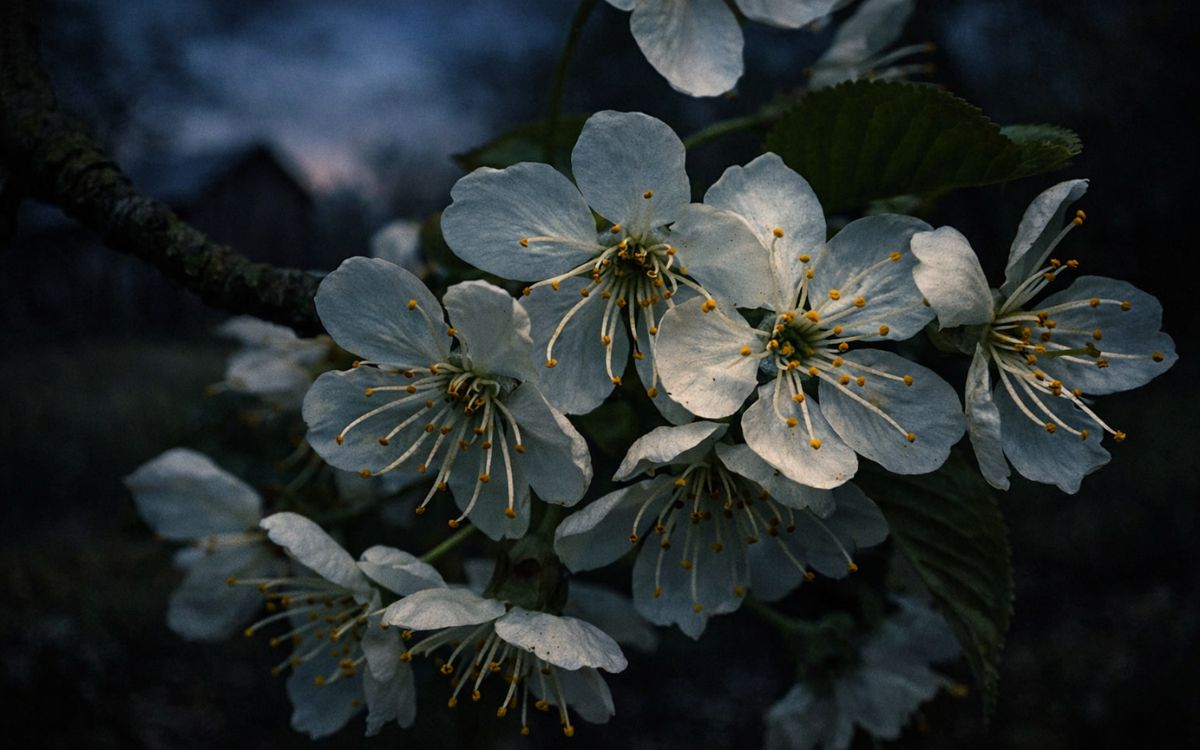
Long before cherry trees dazzled suburban streets with pastel blossoms, they were wild companions of Britain’s ancient forests. The wild cherry (Prunus avium), sometimes called gean or mazzard, is native to Britain and Ireland.
It took root after the last Ice Age, spreading naturally across Europe and embedding itself in the mythical “wildwood”—a primeval landscape that once blanketed these islands.
Archaeological digs in Irish crannogs and British barrows have unearthed cherry stones dating back to the Bronze Age. These finds suggest that the trees were known, used, and likely revered by our ancestors.
While native, wild cherry never dominated the woodland canopy. It preferred edges, hedgerows, and glades.
Yet its fleeting blossom and bright fruit may have cemented it in seasonal rituals and symbolic lore. As with many trees in British and Irish folklore, its presence felt liminal—bridging the boundary between life and death.
Whispers of the Roman and Tudor Orchards
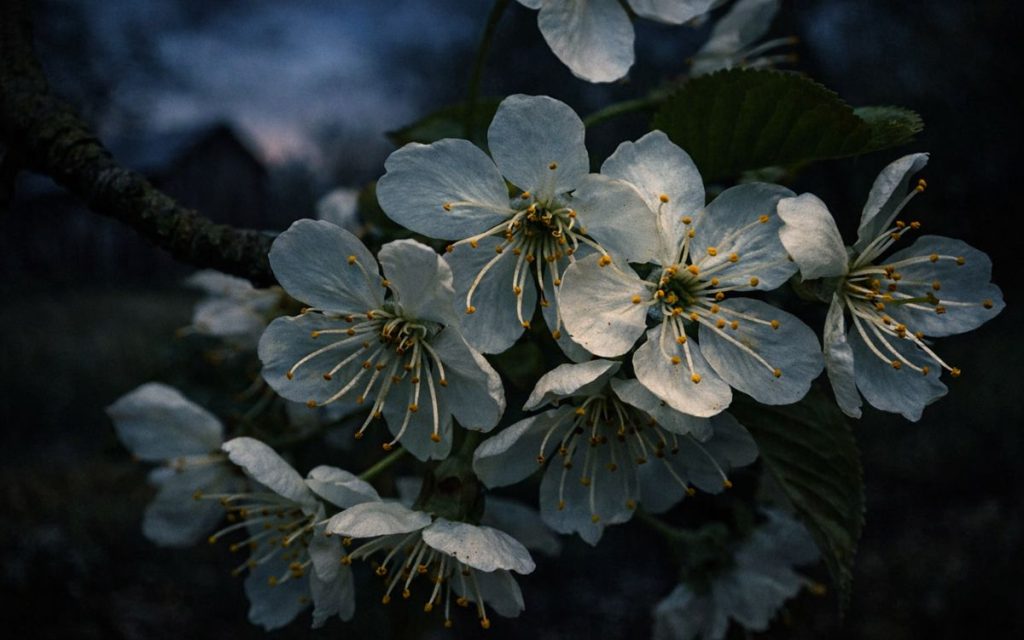
The Romans, if not the original importers, certainly encouraged the cultivation of cherries.
Ancient authors like Pliny claimed that cherries reached Italy from the East by the 1st century BCE. Roman settlers likely brought cultivated strains to Britain.
However, it was King Henry VIII who famously ordered cherries planted in Kent after tasting them in Flanders. This gave rise to the cherry orchard traditions still echoed in the county’s landscape today.
These cultivated varieties, including the sour cherry (Prunus cerasus), were never truly native but quickly naturalised.
Their tartness made them ideal for pies and preserves—and, in some curious corners, protection charms.
Folklore hints that cherry stones placed on windowsills or hearths could ward off misfortune or ill spirits. Such superstitions add depth to the dark history of cherry orchards in Britain.
Japanese Blossoms and Haunted Beauty
The most recognisable cherry trees—the ones with exuberant pink blossoms—are not native at all.
These ornamental varieties hail from Japan, introduced to British gardens in the early 20th century.
The man responsible for their popularity was Collingwood Ingram, affectionately nicknamed “Cherry” Ingram, a British botanist who fell in love with Japan’s sakura and brought back rare cultivars to save them from extinction.
Ironically, these imported trees—symbols of beauty, impermanence, and national pride in Japan—found fertile ground in Britain’s haunted gardens.
Today, they bloom in cemeteries, hospital grounds, and ancient estates, their blossoms drifting like lost souls.
In rural Ireland, there are tales of cherry trees “weeping” out of season or being inexplicably avoided by cattle—traditional signs of an unquiet presence.
Ghost Stories and Cherry Lore
Throughout the countryside, cherry trees have become fixed points in ghost stories from Britain.
One tale from Norfolk speaks of a lone cherry tree growing atop a plague pit—its fruit never ripens, and no bird dares land upon it.
In Wales, there’s whispered mention of a cherry orchard where lovers once trysted in secret. After one was murdered, the trees turned bitter and twisted, and no blossom has since appeared.
Even in modern times, cherry trees are said to mark “spirit paths”—routes the dead walk along.
A ghost hunter in the Yorkshire Dales recorded electromagnetic anomalies beneath a cherry tree said to stand where an old gibbet once hung.
Visitors report the scent of blossom out of season and a chilling sensation like being watched. These are the kinds of creepy true stories from rural England that linger.
The Blossoms Remain
Whether native wildlings, Roman cultivars, or Japanese imports, cherry trees across the British Isles carry with them a weight of memory, myth, and spectral suggestion.
Their spring beauty masks an autumn silence, and their roots drink from soil soaked in history.
For those seeking places to see ghosts in the UK, the quiet shadow of a cherry tree may offer more than blossom.
In gardens and graveyards alike, these trees remind us that beauty and sorrow often grow together—and that even the most delicate blossom may bloom above bones.
Have you encountered any ghost stories or folklore about cherry trees in your area? Share your tale in the comments section!
Read more about British trees folklore on Spooky Isles with our article, British Tree Folklore: What You Need To Know