
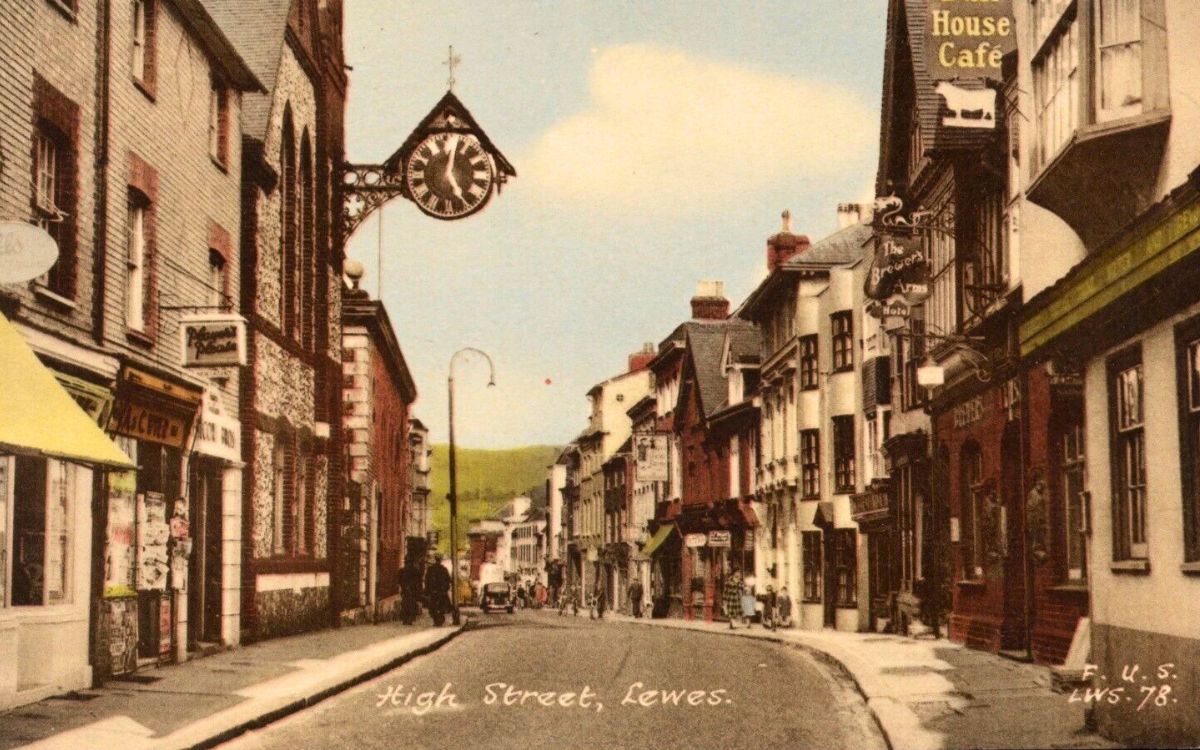
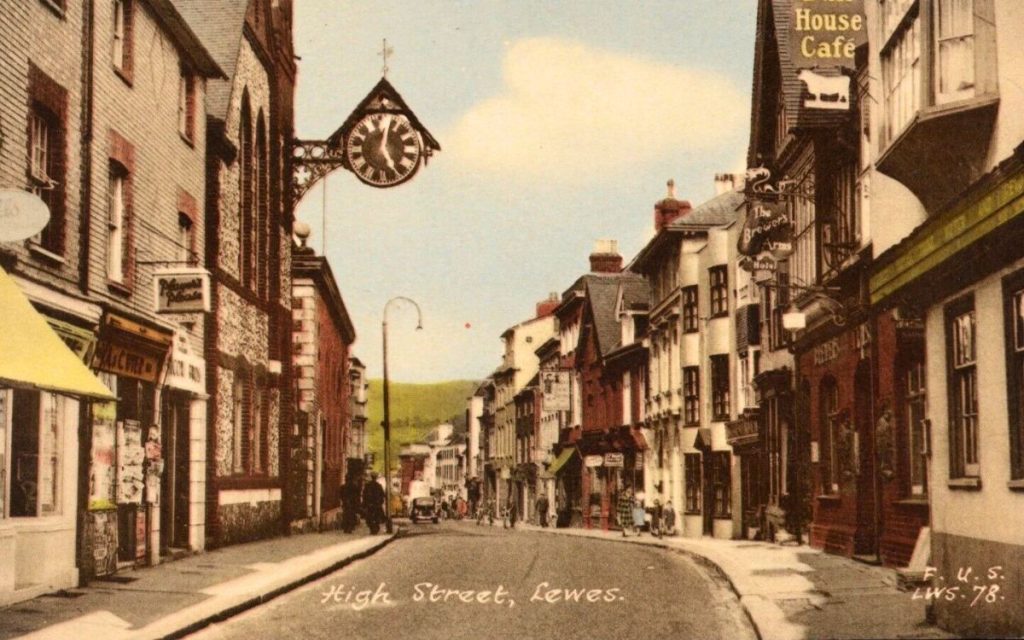
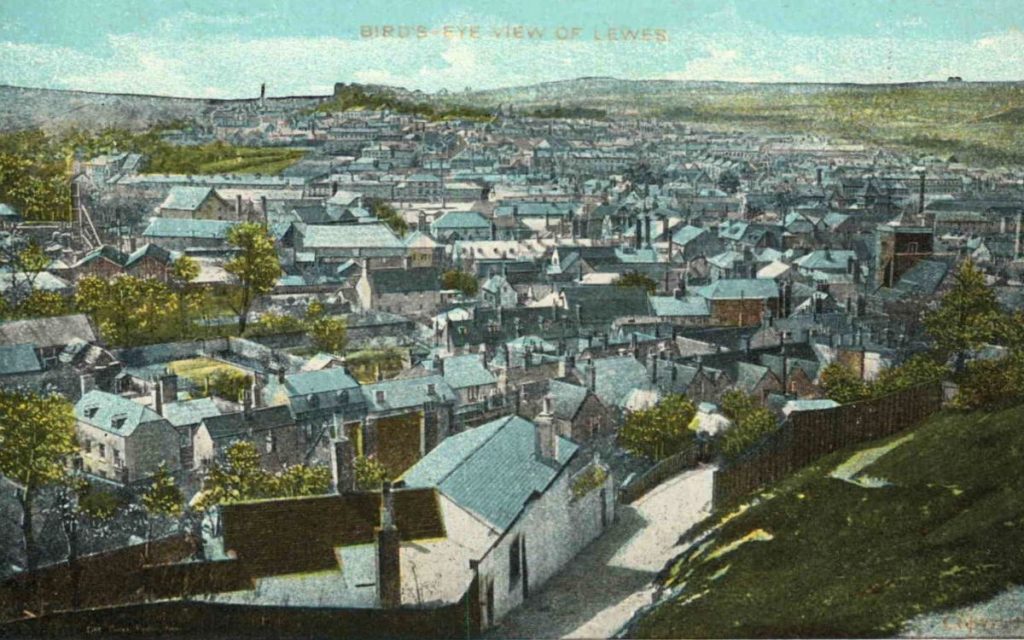
Few East Sussex towns wear their history quite like Lewes. Norman walls rise above medieval streets, ancient churches stand beside hidden twittens, and almost every corner has a story to tell.
It should come as no surprise that a town with almost 1,000 years of history has accumulated more than its fair share of ghost stories.
Some are based on medieval tradition, others come from modern eyewitnesses and paranormal investigators, but together they make Lewes one of the most intriguing haunted towns in England.
Anne of Cleves House
52 Southover High Street, Lewes BN7 1JA
If the ghosts of Lewes have a favourite address, Anne of Cleves House must be high on the list.
Staff have spoken of footsteps climbing empty staircases, shadowy figures moving through the upper rooms and that unnerving feeling that somebody is watching from just out of sight.
During one paranormal investigation, witnesses even claimed to see a man on horseback staring through a window before disappearing.
The beautiful timber-framed house dates from the late 15th century and became part of Anne of Cleves’ divorce settlement after her marriage to Henry VIII, although she never lived here.
Today it is one of Sussex’s best-loved museums, but its creaking floors, dark beams and centuries of history have also earned it a reputation as one of Lewes’ most active haunted buildings.
Lewes Castle
169 High Street, Lewes BN7 1YE
Every Norman castle deserves a ghost, and Lewes Castle has its White Lady.
She is said to appear among the ancient stone walls before melting back into the darkness, leaving visitors wondering exactly who they have seen.
Paranormal investigators still visit the castle hoping to catch sight of its most famous spectral resident.
Standing proudly above the town since shortly after the Norman Conquest, Lewes Castle has witnessed war, imprisonment and centuries of upheaval.
The White Lady has become part of its enduring folklore, adding another layer of mystery to one of East Sussex’s most recognisable landmarks.
Lewes Priory
Cockshut Road, Southover, Lewes BN7 1HP
Ghostly monks are said to creep silently through the ruins of Lewes Priory, their dark figures slipping between the ancient walls before vanishing into the shadows.
Visitors have also described an eerie stillness here, as though the monastery never truly fell silent.
The priory was founded in the 11th century and became England’s first Cluniac monastery.
It also boasts the oldest supernatural tradition in Lewes.
A medieval account tells how the ghost of King Henry I appeared to one of his soldiers, urging him to travel to Lewes Priory to seek prayers for his soul.
Almost 900 years later, the old monastery remains one of the town’s most atmospheric places.
Shelley’s Hotel
High Street, Lewes BN7 1XS
Ask about Room 26 and you’ll soon discover why Shelley’s Hotel has become one of Lewes’ best-known haunted buildings.
Stories tell of a troubled spirit that never checked out, while guests have also reported encounters with a mysterious Blue Lady, a Civil War Cavalier on the staircase and unexplained disturbances during the night.
One of the hotel’s best-known tales even tells of a bed lifting from the floor beneath a startled guest.
The building began life as a 16th-century house before becoming The Vine Inn and later the elegant hotel seen today.
Much of its haunted reputation comes from modern reports rather than historic records, but few places in Lewes have inspired quite so many ghost stories.
Discover more haunted pubs in Sussex.
The White Hart
55 High Street, Lewes BN7 1XE
Old coaching inns rarely escape a ghost story, and the White Hart is no exception.
Local tales speak of strange feelings in the cellar, unexplained encounters in the oldest parts of the building and the lingering spirit of a heartbroken bride.
There are even stories of a playful little boy who refuses to leave.
The White Hart has stood on Lewes High Street for centuries and is closely associated with Thomas Paine and the famous Headstrong Club.
Its ghost stories are very much part of local pub folklore rather than documented history, but the building still wears its supernatural reputation with pride.
Look closely and you’ll even find old witch marks carved into the timbers, cut there long ago to protect the inn from evil.
Lewes is packed with history, but it’s the ghost stories that often stay with you longest.
Whether it’s a phantom monk among the priory ruins, the White Lady watching over the castle or unexplained footsteps echoing through a Tudor house, the town has plenty to reward anyone who enjoys exploring Britain’s supernatural heritage.
Next time you visit Lewes, leave a little time to discover its darker side too.