


The Loch Ness Monster has taken many forms on screen over the years, reflecting our changing fears, hopes and sense of humour.
On film, Nessie has been a scientific mystery, a publicity stunt, a killer, a comfort, and a punchline.
Each era reshapes the creature to fit its moment. These seven films chart how cinema has returned to Loch Ness again and again, dragging the legend through belief, scepticism, comedy, horror and family fantasy.
The Secret of the Loch (1934)
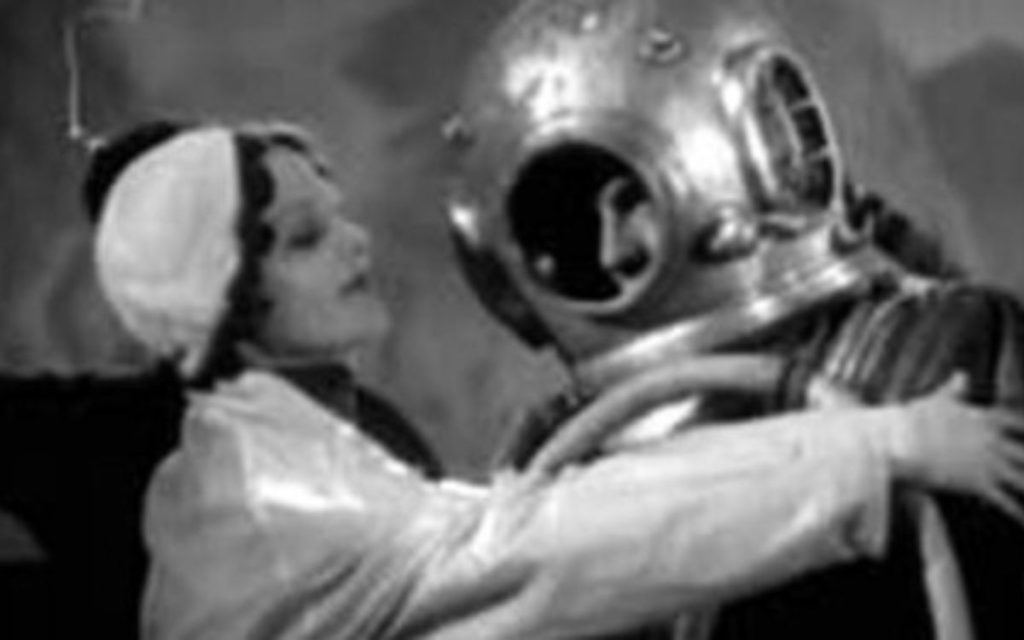
The first proper Nessie feature film arrived at the height of the original sightings craze.
A professor attempts to prove that a prehistoric creature lives in Loch Ness, clashing with sceptics along the way.
Shot as a mystery rather than a horror, it treats the monster seriously, as something that might genuinely exist.
Loch Ness itself does most of the work here – brooding and unknowable.
This film set the tone for Nessie as modern folklore, not fairy tale.
What a Whopper! (1961)
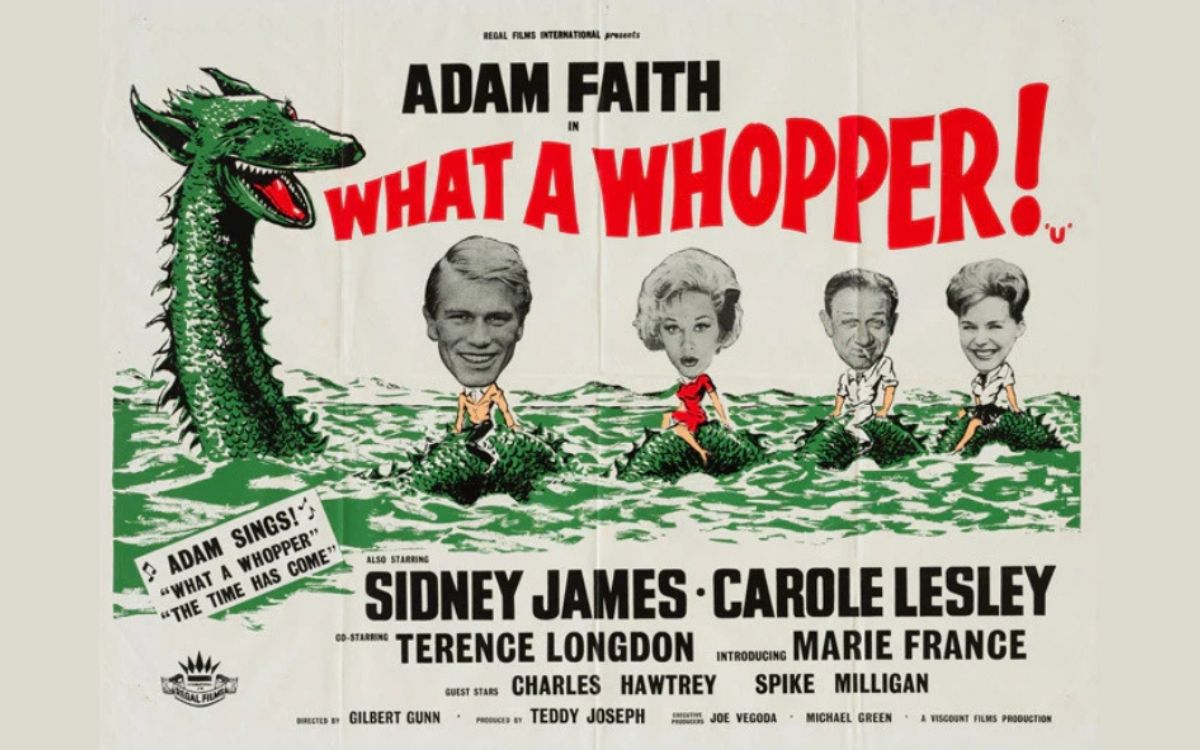
By the early 1960s, Nessie was famous enough to spoof.
This British comedy follows a struggling writer who travels to Scotland to fake Loch Ness Monster evidence in order to sell his story.
Starring Adam Faith, the film plays the legend for laughs, treating Nessie as a media circus rather than a mystery.
It captures a key moment when belief gives way to knowing cynicism. Nessie becomes a joke, and everyone is in on it.
The Loch Ness Horror (1981)

This low-budget 1980s effort turns Nessie into a straight-up killer.
A prehistoric creature lurks beneath the loch, blamed for violent deaths while scientists and locals scramble for answers.
The monster is mostly hidden, glimpsed through murky water and suggestion.
The film aims for seriousness but often slips into rough exploitation.
It matters because it marks the point where Nessie fully enters horror cinema, stripped of romance and treated as a threat.
Loch Ness (1996)
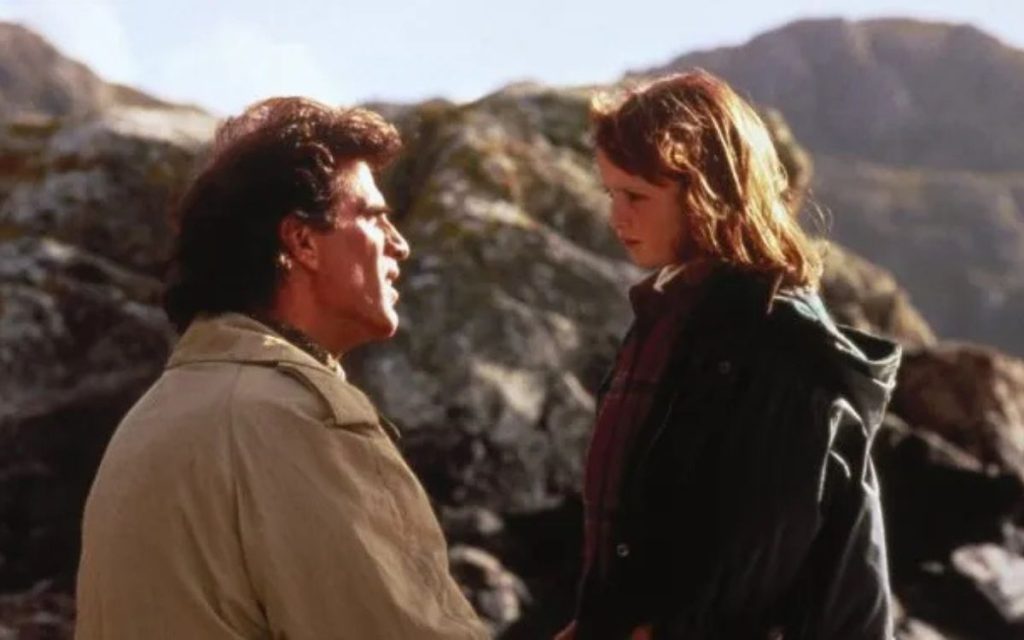
Starring Ted Danson and Joely Richardson, this film softens the legend again.
Danson plays a sceptical American scientist sent to Scotland to debunk Nessie, only to become emotionally drawn into the mystery.
The monster appears rarely and respectfully.
This is not a scare film, but a reflective drama about belief, loss and hope.
Nessie functions as a symbol – something people need to exist, whether or not it ever surfaces.
Incident at Loch Ness (2004)
This mockumentary stars Werner Herzog as himself, attempting to make a serious documentary about the Loch Ness Monster.
Everything goes wrong.
Arguments erupt, authenticity collapses, and the monster becomes almost irrelevant.
The real focus is obsession and the human urge to believe in something bigger.
Funny, awkward and occasionally unsettling, it is one of the sharpest films ever made about Nessie, precisely because it refuses to deliver the monster on demand.
The Water Horse: Legend of the Deep (2007)
The most widely seen modern Nessie film presents the monster as gentle and tragic.
A lonely boy discovers a mysterious egg that hatches into a water horse, which grows into the Loch Ness Monster.
Set partly during the Second World War, the film mixes family drama with polished CGI.
Nessie becomes a secret companion rather than a threat.
It helped reintroduce the legend to a new generation, firmly rooted in emotion and nostalgia.
Beyond Loch Ness (2008)

This made-for-TV creature feature throws restraint out the window.
Nessie is no longer singular or subtle, but part of a breeding population of aggressive monsters.
Attacks, explosions and digital effects dominate.
Starring Brian Krause, the film treats Loch Ness like a modern monster-movie arena.
It is loud, pulpy and knowingly ridiculous.
While light on folklore, it shows how endlessly adaptable the legend is, even at its most extreme.
Across nearly a century of film, the Loch Ness Monster keeps changing shape.
Sometimes feared, sometimes mocked, sometimes loved, Nessie survives by never standing still.
That might be the monster’s real secret.