

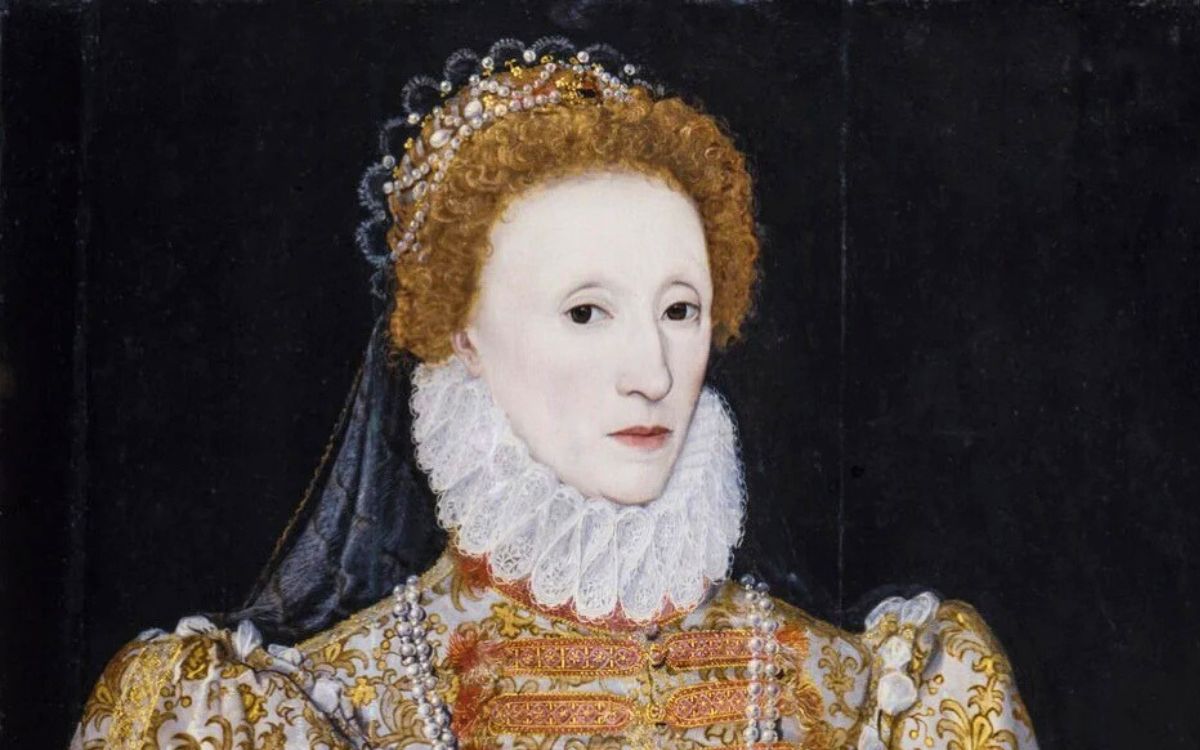

They were executed across England in brutal public deaths, and people still claim they are seen today.
Under Elizabeth I, men and women were put to death for treason, rebellion and religion. The punishments were harsh and deliberate, carried out in places that still exist, including the Tower of London, the streets of York and the old execution ground at Tyburn.
These are the people who died there, and who are said to still be seen.
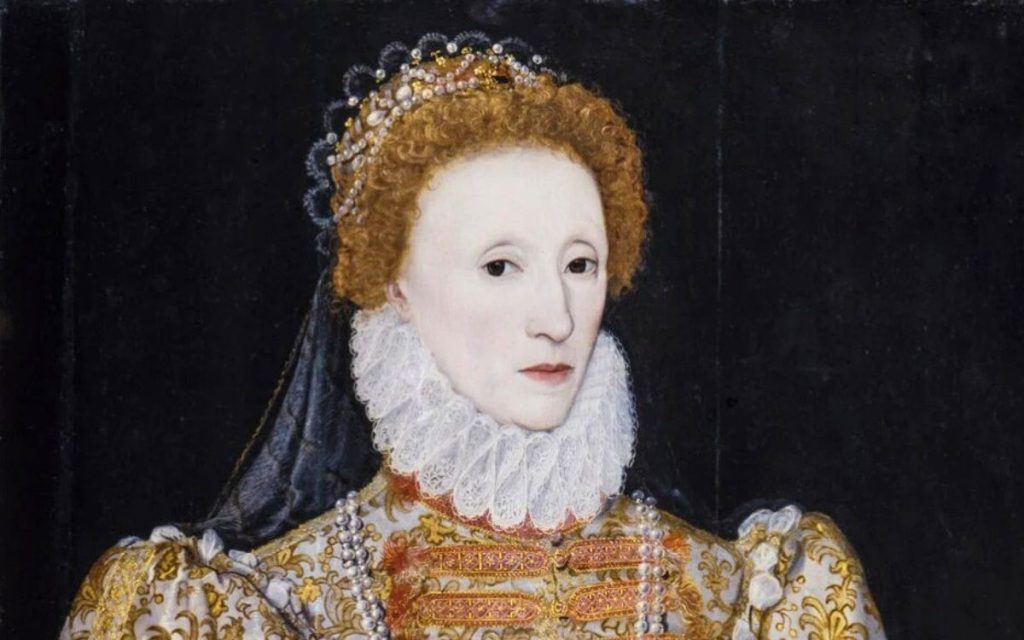
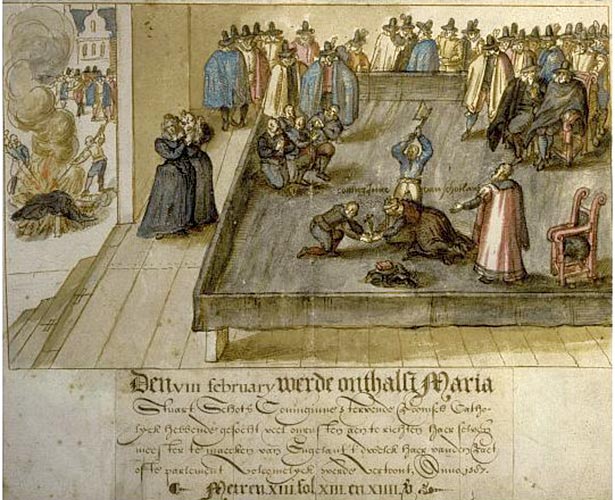
Mary, Queen of Scots (1542–1587)
Executed at Fotheringhay Castle for treason after being linked to plots against Elizabeth. She was beheaded, and the execution reportedly took more than one blow.
She is said to appear at Fotheringhay and Tutbury Castle, usually seen as a composed woman in dark clothing.
Read more: The Life and Afterlife of Mary, Queen of Scots
Robert Devereux, 3nd Earl of Essex (1565–1601)
Executed at the Tower of London for treason after leading a failed rebellion. His execution was botched and required several strikes.
He is reported as a ghost within the Tower, seen in corridors and near the site of his death.
Thomas Howard, 4th Duke of Norfolk (1536–1572)
Executed on Tower Hill for treason after plotting to marry Mary, Queen of Scots and challenge Elizabeth’s rule.
He is said to be seen near the Tower, described as a nobleman lingering close to where he died.
Thomas Percy, 7th Earl of Northumberland (1528–1572)
Executed in York for treason after leading the Rising of the North.
In Yorkshire, particularly around Topcliffe, people report a heavy, watchful presence.
Edmund Campion (1540–1581)
Executed at Tyburn for treason under religious law, for being a Catholic priest in England. He was hanged, cut down alive and disembowelled.
A robed figure is said to appear near Tyburn, calm and still.
Margaret Clitherow (1556–1586)
Executed in York for treason after harbouring Catholic priests. She was pressed to death under heavy weights.
In the Shambles, people report seeing a quiet female figure standing in narrow spaces between buildings.
Anthony Babington (1561–1586)
Executed at Tyburn for treason after plotting to assassinate Elizabeth. His execution was particularly violent.
At St John’s College, Oxford, and related locations, sightings often involve shadows or movement just beyond sight.
Chidiock Tichborne (1558–1586)
Executed at Tyburn for treason due to his involvement in the Babington Plot.
He is associated with reports of a quiet presence in former prison sites, including the Tower.
Henry Walpole (1558–1595)
Executed at Tyburn for treason under religious law after returning to England as a Catholic priest.
He is linked to sightings near former Catholic safe houses, often brief and indistinct.
Philip Howard, twentieth Earl of Arundel (1557–1595)
Imprisoned in the Tower for treason due to his Catholic faith and died there after years of confinement.
Visitors describe a subdued presence in certain parts of the Tower, often linked to his imprisonment.
William Hacket (c. 1555–1591)
Executed in London for treason after making extreme religious claims seen as a threat to the Crown.
Stories connect him to unsettling disturbances in parts of London, often described as a sudden unease.
Richard Gwyn (c. 1537–1584)
Executed in Wrexham for treason under religious law after refusing to conform to the Church of England. He was hanged, drawn and quartered.
He is said to be seen in North Wales, calm and steady in appearance.
John Felton (d. 1570)
Executed in London for treason after publicly displaying the papal bull excommunicating Elizabeth.
Near St Paul’s Churchyard, people report a figure standing still and watching the street.
These executions were not quiet deaths, and they were not meant to be forgotten.
In the places where they were killed, people still claim to see them, as if something of that moment never moved on.
Walk there now, and you are standing where they died, and perhaps where some of them remain.