

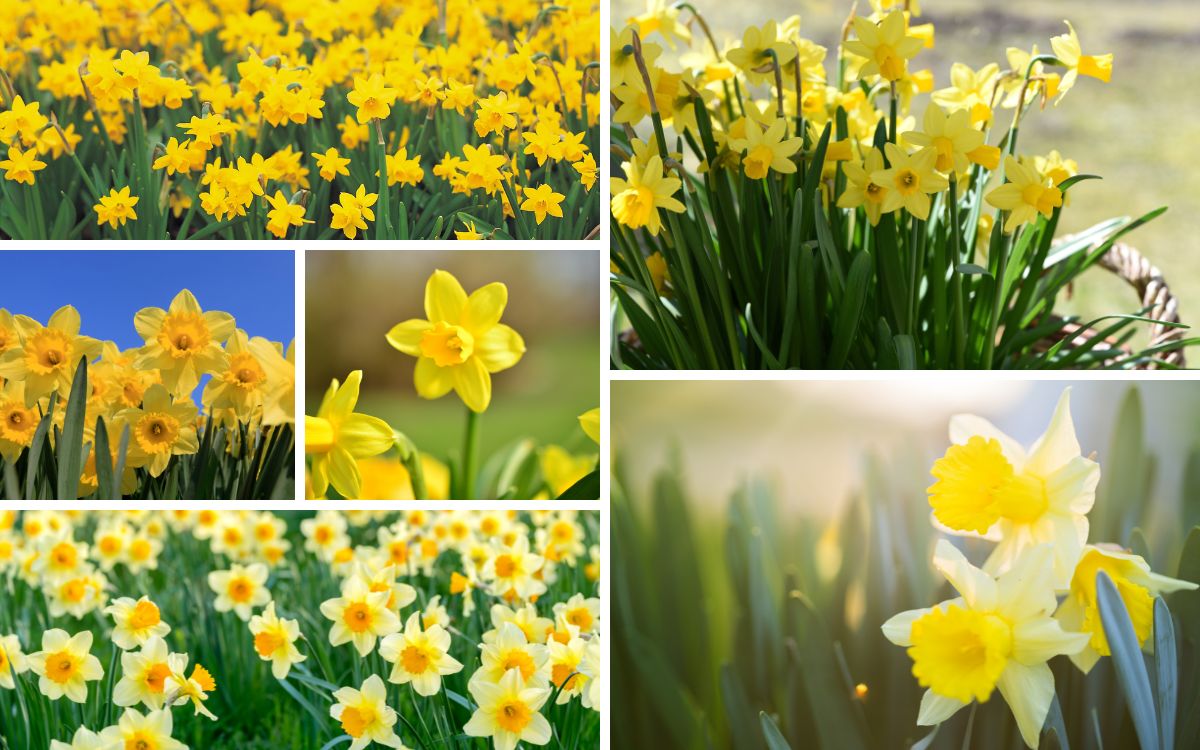
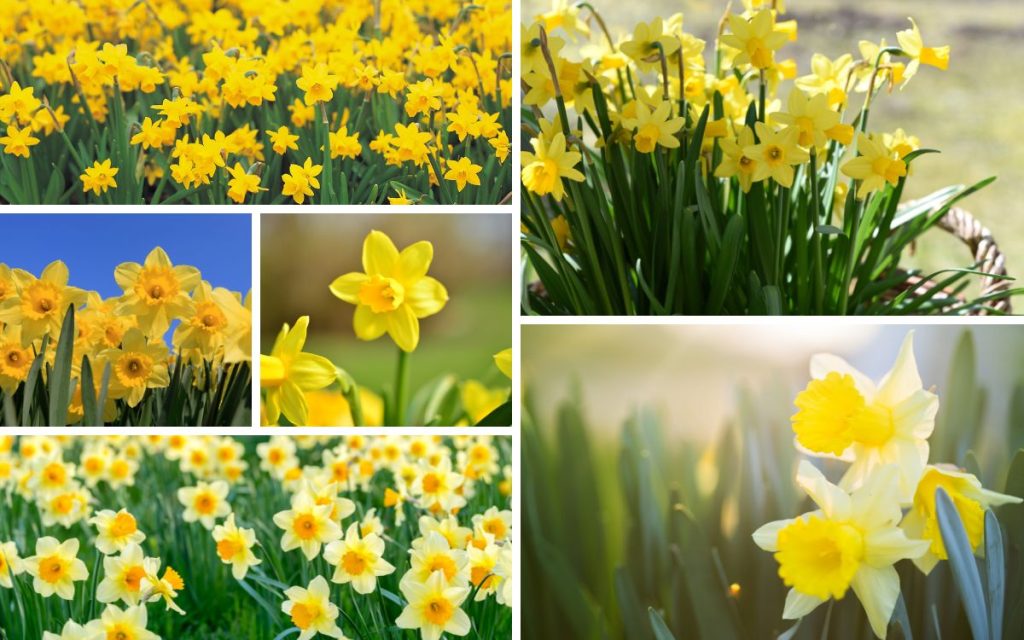
Each year on 1 March, daffodils bloom brightly across Wales, symbolising the arrival of spring and the spirit of St David’s Day.
But behind their golden petals lies a rich tapestry of folklore. Here are ten fascinating beliefs that show how daffodils have captured the imagination for centuries.
1. A Sign of Good Luck in Wales
In Welsh tradition, spotting the first daffodil of the season is believed to bring good luck and wealth for the year ahead.
This custom has made the daffodil a beloved charm for prosperity in many Welsh households.
2. A National Emblem for St David’s Day
On St David’s Day, people across Wales wear daffodils as a symbol of national pride and resilience.
The flower’s bright, defiant bloom in late winter represents strength in the face of adversity, echoing the spirit of the patron saint himself.
3. A Medieval Omen of Misfortune
In medieval times, folklore warned that if a daffodil drooped near someone, it was a sign of impending death or personal tragedy.
Its bowed head, usually a gentle gesture of nature, became a feared omen in earlier centuries.
4. Narcissus and the Warning Against Vanity
The Greek myth of Narcissus tells of a youth so obsessed with his own reflection that he wasted away, eventually turning into a daffodil.
This story offers a lasting moral lesson—nature turning beauty into humility.
5. A Link to the Underworld
Folklorist Margaret Baker suggested a connection between daffodils and the myth of Persephone’s descent into the underworld.
As the daffodil shifts from white to yellow, it echoes the boundary between life and death, symbolising transformation and the afterlife.
6. Bad Luck When Brought Indoors Too Early
In British folklore, daffodils were once thought to bring misfortune if picked and brought indoors before spring had fully arrived.
The belief warns against disturbing natural cycles, with early blooming seen as a sign of bad luck.
7. A Symbol of Strength in Roman Times
Roman soldiers reportedly carried daffodils into battle.
Some believed the flowers held medicinal properties, while others saw them as a symbol of a peaceful death in combat—offering both protection and release.
8. Poison Beneath the Petals
Though beautiful, daffodils hide a toxic secret.
Their bulbs can cause illness if ingested, making them a deterrent to animals like squirrels—but also a danger to pets and livestock, reminding us of nature’s double-edged beauty.
9. The ‘Lent Lily’ of British Tradition
In England, daffodils are often called “Lent Lilies” because they bloom during the Christian season of Lent.
This link between the flower and spiritual reflection adds another layer to its symbolic meaning.
10. A Gift for Enduring Love
Daffodils are traditionally associated with the 10th wedding anniversary.
They represent lasting affection, resilience, and joy through life’s seasons—making them a floral symbol of enduring love.
Discover more about Wales and its folklore and superstitions on www.spookywales.com