


Reading in Berkshire may be best known for its riverside walks and historic abbey, but beneath its familiar charm lie lingering whispers and odd sightings.
These ghost stories in Reading thread their way through theatres, ruins, gaols and shopping centres—places where the past refuses to stay silent.
The Hexagon, Queens Walk, Reading RG1 7UA
One of the town’s cultural hubs, The Hexagon has also become a stage for the unexplained.
Staff and late-night visitors speak of unseen footsteps haunting the backstage corridors and the balcony.
Some even report flickers of shadowy figures—like a performer who never left the stage.
While the venue hums with modern performances today, the galleries seem to echo with old memories too.
Reading Gaol, Forbury Road, Reading RG1 3HY
The heavy stones of Reading Gaol carry more than memory.
Famously immortalised in The Ballad of Reading Gaol by Oscar Wilde, the prison was also home to darker tales.
Some visitors have said they felt an oppressive presence in the corridors, while others claim to glimpse a gloomy figure pacing among the cells.
Even though the site is not open to the public, ghost hunters and historians still speak of uneasy energy inside the walls.
The Oracle, Bridge Street, Reading RG1 2AG
Crowds bustle through The Oracle every day, yet beneath its modern glamour, something older persists.
Shoppers and staff occasionally experience sudden cold spots or catch faint voices in empty corridors.
Despite the neon-lit storefronts, some say they feel watched by an unseen presence.
Caversham Park, Caversham Park Road, Caversham, Reading RG4 6AH
Across the Thames, Caversham Park hides its own ghostly legacy.
A lady in white is said to drift among the grounds, her appearance brief and sorrowful.
Locals whisper she may be a former resident, drawn back by longing or loss.
Greyfriars Church, Friar Street, Reading RG1 1EH
This medieval church still sees the strange and unexplained.
Among the quiet pews, visitors have reported glimpses of a monk gliding silently down the aisle, objects moving unaided, and an atmosphere that feels caught between centuries.
The church’s weathered stones seem to cling to memories.
Reading Abbey Ruins, Abbey Quarter, Reading
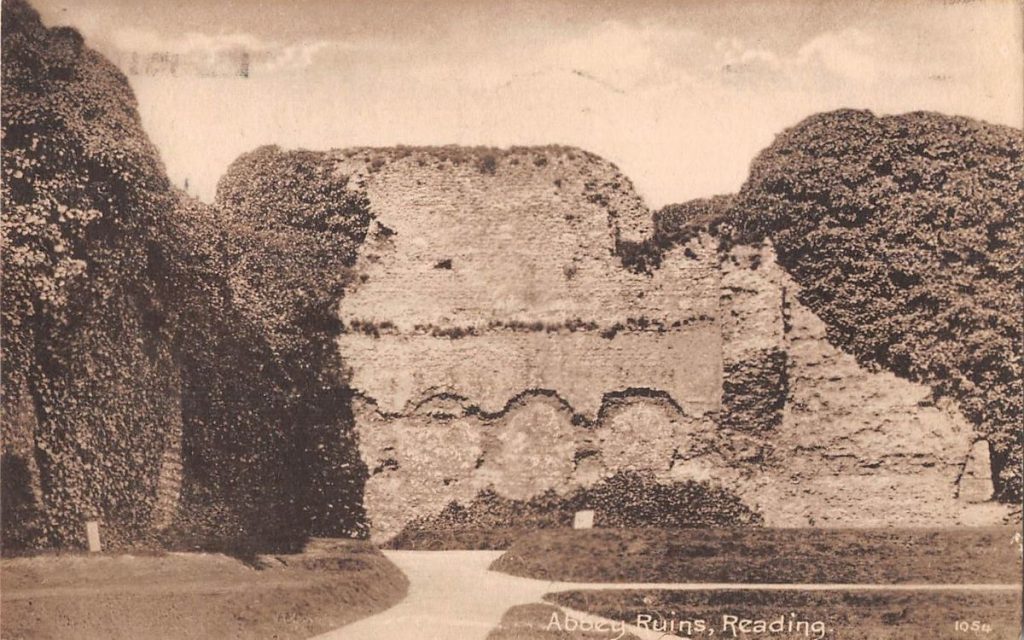
The ruins of Reading Abbey sit near the town centre.
Founded in 1121 and dissolved in 1539, the abbey was once the site of monastic power and execution—Abbot Hugh Faringdon was famously executed at the gateway.
Today, some say they hear chanting or the shuffle of monks across the stones of the chapter house—echoes of a spiritual past made uneasy.
These ghost stories trace a line through Reading’s diverse landscape—from theatre risers to ruined cloisters, from shopping malls to prison cells.
History refuses to stay buried here.
In those quiet moments, if you still your steps and hold your breath, the past might answer in a whisper.