
As darkness grips the land near the village of Collon, the past does not always lie still.
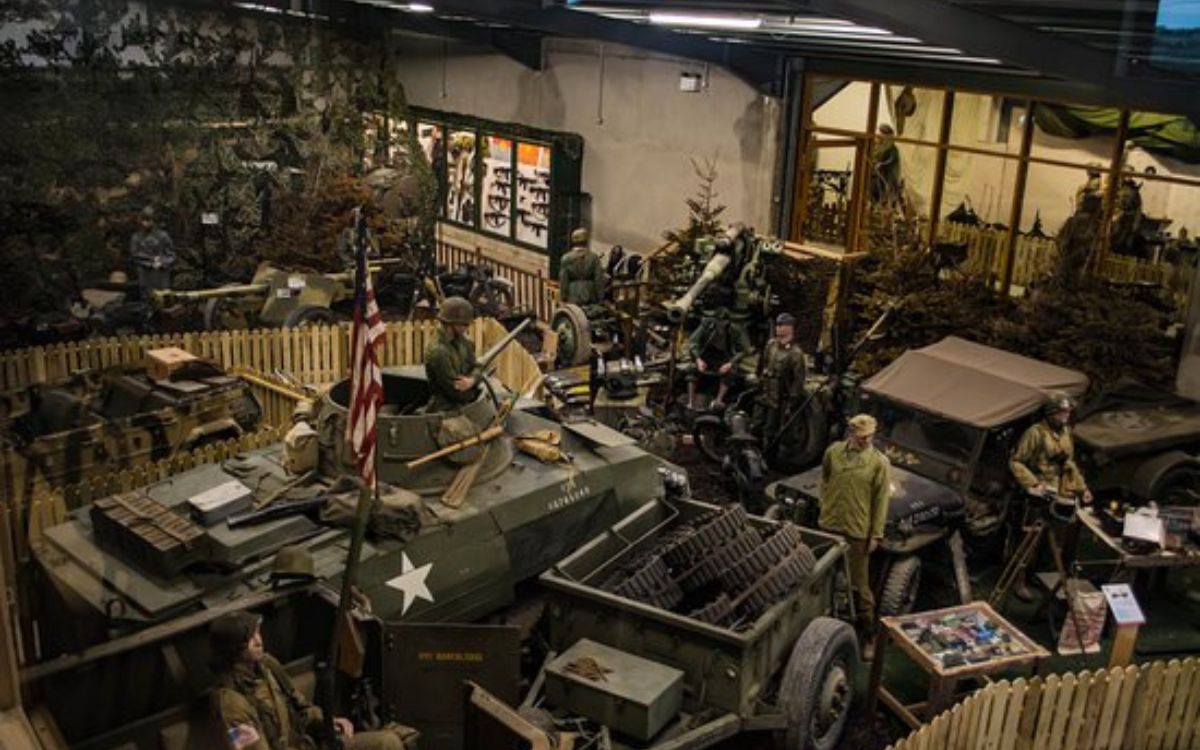
The Irish War and Military Museum, home to thousands of artefacts from some of the most brutal conflicts in human history, has developed a quiet reputation among paranormal investigators.
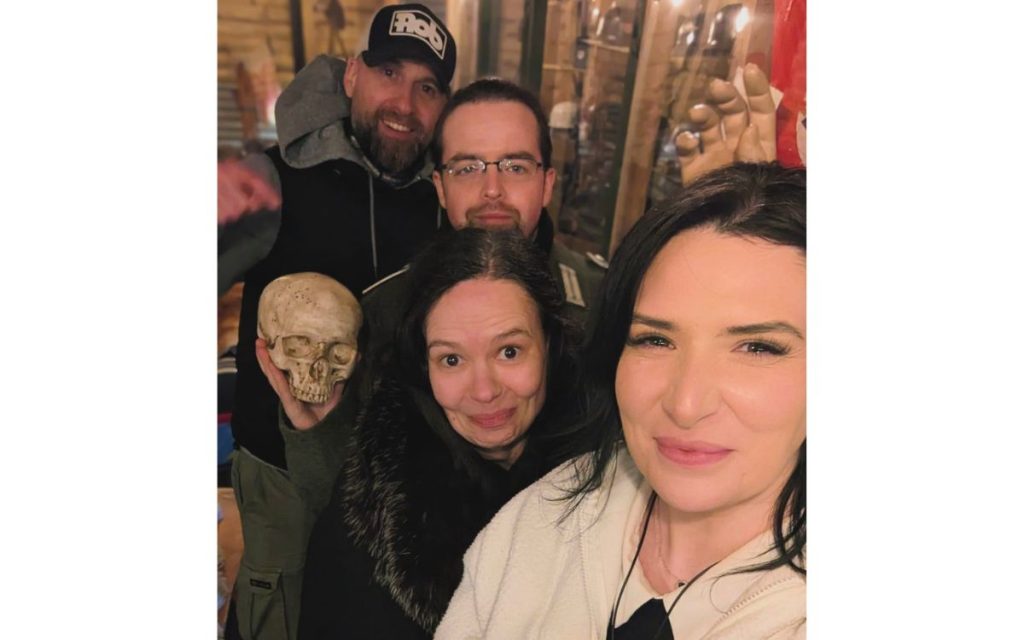
For one night, teams of Soul-o Paranormal and Soul2Soul Paranormal entered the museum to investigate what might still linger among the relics of war.
Origin of the Irish War and Military Museum
The Irish Military Museum was founded by collector William Sullivan, whose fascination with military history began in childhood.
What started with a single World War Two gas mask eventually grew into one of Ireland’s most remarkable private collections of military artefacts.
Opened to the public in 2015, the museum now houses thousands of items from conflicts spanning more than a century.
Uniforms, weapons, vehicles and wartime equipment from nations across the world sit together beneath one roof.
Yet long before paranormal investigators arrived, strange experiences had been reported inside the building.
During late-night construction work, Sullivan allegedly saw a small, hunched figure dart across the museum floor.
Assuming someone had entered the building, he searched the property but found no one, yet the figure appeared again on two later occasions.
Since then, visitors and investigators have reported unexplained footsteps, shifting shadows and unusual atmospheric changes in certain parts of the museum.
Some researchers believe the vast collection of wartime artefacts may carry powerful residual emotional energy from the conflicts they once belonged to.
Investigation Lockdown Begins
When Soul-o Paranormal and Soul2Soul Paranormal arrived for their overnight investigation, the museum was calm, but that would not last.
Throughout the evening, investigators began documenting activity.
Taps echoed through the building.
Loud bangs sounded from distant rooms.
Shadows appeared to move across displays, as if something unseen was passing between the investigators and the light.
At one point, Emma’s camera suddenly blacked out completely, as though something had walked directly in front of the lens.
Moments later, multiple photographs taken in the same location revealed a strange anomaly.
Two photos taken in rapid succession showed the flash firing in both images, yet one appeared significantly dimmer than the next, as though something had interrupted the light.
The Message of Eleven
Communication attempts using the Ovilus device soon began producing unusual responses, and one word appeared repeatedly: ‘Rapture’.
Investigators were also prompted to locate the number 11 somewhere within the museum displays.
Following this prompt, the team set out to find the exhibit with the number 11, which appeared to be missing from most displays, seemingly skipped over in many cases.
Keith eventually made his way to a display that both Emma and John had independently felt drawn to earlier in the night and set up a camera in the hope of capturing activity.
Not long after Keith made this discovery, the Ovilus produced two additional words: ‘Release. Open.’
When the display case was carefully opened, both John and Keith immediately felt a sudden wave of icy cold air pass between them.
The temperature in that spot dropped noticeably before slowly returning to normal.
Emma suggested this may have been the ‘release’ the device had referenced earlier.
After the display was opened, the atmosphere and energy within the museum seemed to settle.
The Eleventh Hour
Based on additional research by Emma, a deeper significance behind the number 11 later emerged.
The Armistice ending World War One was signed at 11 a.m. on 11 November, the eleventh day of the eleventh month.
This moment marked the end of one of the deadliest wars in human history.
Voices in the Darkness
Later in the conference room, Ewka sensed something entirely unexpected: children.
Moments later, the team captured what sounded like children’s voices through the spirit box, an experience that proved deeply emotional for everyone present.
The atmosphere inside the room quickly became intense and overwhelming.
Throughout the night, equipment continued responding to requests.
K2 meters triggered on command, and motion-activated cat balls lit repeatedly when investigators asked for interaction, while the REM pods remained silent.
The Watching Presence
As the night continued, investigators began receiving words such as ‘Master’ and ‘Animal’ through the Ovilus device.
Combined with responses captured on the spirit box, the team began considering the possibility that something inhuman or elemental in nature might be interacting with them.
The theory raised an unsettling thought of possible spiritual suppression for these lost souls.
Inside the museum, artefacts from some of the most violent conflicts in human history sit side by side.
Russian, German, American and Allied wartime objects share the same space, each connected to moments of intense fear, suffering and death.
Some paranormal researchers believe objects exposed to powerful human emotion may retain residual energy.
In rare cases, that energy may manifest in unexpected ways.
Has the conflict and trauma of war carried over into the museum, possibly giving rise to some new manifestation?
Prayer and Peace
As the investigation reached its final hours, the word ‘Rapture’ continued appearing through the communication devices.
The investigators turned their focus towards faith, recognising that during times of war, faith was one of the few constants people held onto, connecting them across great distances.
The team decided to lean into this aspect of faith.
We looked up passages of the Bible beginning with verses around the Rapture.
Keith continued to read passages and prayers, while the K2 meters seemed to respond positively to this approach.
The shift in energy and calming effect was almost immediately felt.
The intense atmosphere that had built throughout the night slowly faded, and a deep calm settled over the building.
For many soldiers throughout history, faith played a central role in their lives.
Thousands marched into war believing deeply in God, and many died far from home without burial rites or the comfort of family.
For the investigators present that night, the prayers felt less like the end of an investigation and more like a moment of respect for the lives represented by the artefacts surrounding them.
The Echoes Remain
The Irish Military Museum was created to preserve the history of war, yet some believe the artefacts inside may carry more than historical value.
War leaves marks not only on landscapes and nations, but sometimes on the very objects that survive it.
Thousands of relics from battlefields across the world now sit quietly in this museum in County Meath.
According to those who have walked its halls after dark, some of those stories may not yet be finished.
I would encourage you all to visit the museum, speak with William, and learn about the tragedies of our past in the hope that we, as a society, will never be doomed to repeat these mistakes.