

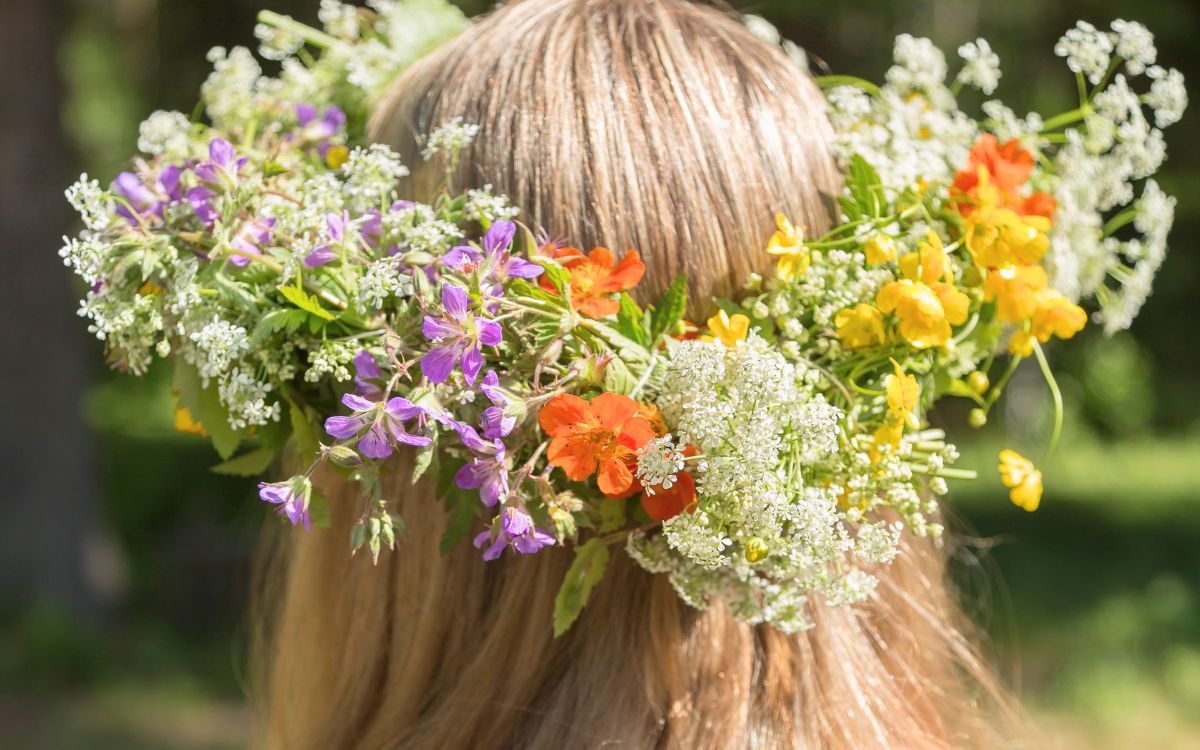
Midsummer is one of England’s oldest and strangest celebrations. Long before Halloween became Britain’s big spooky season, people gathered on hilltops, around standing stones and beside roaring bonfires to celebrate the longest day of the year.
For centuries, Midsummer was believed to be a time when the veil between worlds became thin. Fairies wandered the countryside. Spirits moved more freely. Herbs gained magical powers. Young lovers performed strange rituals to discover who they would marry.
Even today, thousands still gather at places like Stonehenge, Avebury and Glastonbury Tor to watch the sun rise on the summer solstice.
So how did people celebrate Midsummer in England, and how can you celebrate it today?
What is Midsummer?
Midsummer is linked to the summer solstice, usually around 20–21 June, the longest day and shortest night of the year.
Traditionally in England, celebrations continued into St John’s Eve on 23 June and St John’s Day on 24 June. The Christian church absorbed older pagan customs into the feast day of John the Baptist, but many ancient traditions survived underneath.
This was once one of the most important dates in the English calendar.
People believed the height of summer was charged with supernatural energy.
Bonfires and blazing hills
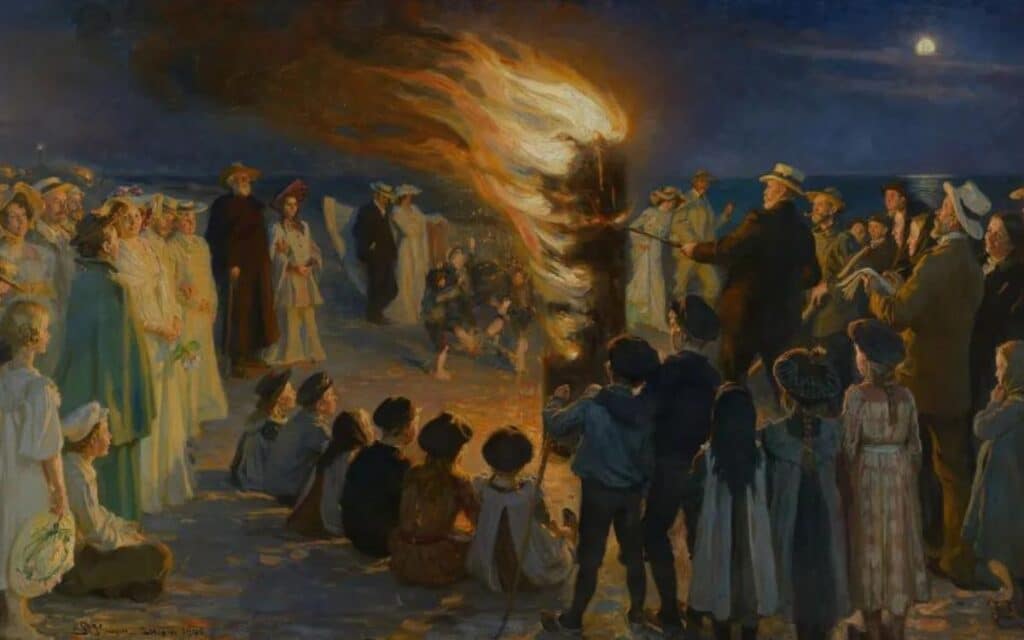
The great symbol of Midsummer was fire.
Across England, huge bonfires were lit on village greens, hillsides and commons. In Cornwall, fires burned on hilltops overlooking the sea. In northern England and the Midlands, villagers danced around flames late into the night.
The fires were believed to:
- Drive away evil spirits
- Protect crops and livestock
- Bring luck in love
- Cleanse sickness and bad fortune
- Strengthen the power of the sun
Some people jumped through the smoke or leapt over smaller fires for protection and fertility.
Old folklore claimed demons and witches feared Midsummer flames.
The night of fairies and spirits
Midsummer night had a reputation for magic and danger.
English folklore said this was a night when the natural order weakened. Fairies could be seen dancing in fields or gathered in ancient woodland rings.
People avoided sleeping outdoors because they feared being “pixy-led” or enchanted by spirits.
In parts of rural England, people believed ghosts appeared more easily on Midsummer Eve than at almost any other time of year.
This supernatural atmosphere inspired Shakespeare’s A Midsummer Night’s Dream, full of mischievous fairies, magic flowers and confusion in moonlit forests.
Magical herbs and flower crowns
Plants gathered at Midsummer were believed to hold special power.
The most famous was St John’s Wort, thought to protect homes from evil spirits and witchcraft.
Other popular Midsummer herbs included:
People hung them over doors, burned them in fires or carried them as charms.
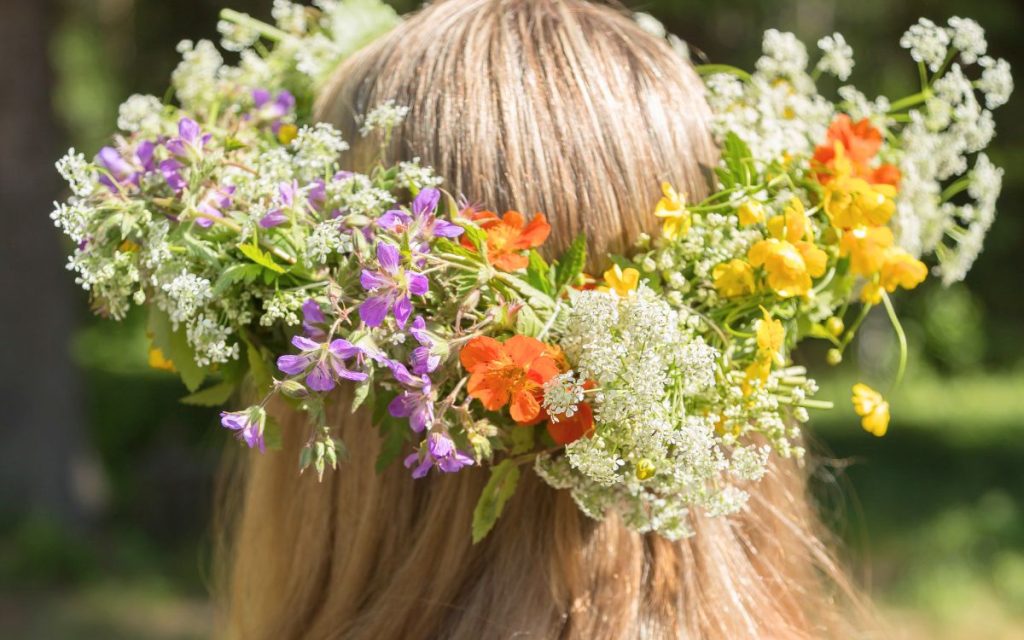
Young women made flower crowns from wildflowers and grasses. These were symbols of youth, fertility and summer itself.
In old English love folklore, girls placed flowers beneath their pillow on Midsummer night to dream of their future husband.
Dew, water and the dawn
Midsummer morning was considered magical too.
People rose before sunrise to collect dew from fields and hedgerows. Washing your face in Midsummer dew was believed to bring beauty, good health and good luck.
Wells and springs also became important gathering places. Some believed water collected at sunrise on Midsummer morning had healing properties.
Even today, there is something eerie and beautiful about watching dawn break across an English field in June while birds explode into song around you.
Stonehenge and the ancient places
No place in England is more closely linked to Midsummer than Stonehenge.
The ancient stones align perfectly with the summer solstice sunrise. Thousands gather there every year to watch the sun rise directly behind the Heel Stone.
But Stonehenge is not alone.
People also celebrate Midsummer at:
- Avebury
- Glastonbury Tor
- Ancient hill forts
- Stone circles
- Burial mounds
- Sacred wells and springs
These places feel especially atmospheric at dawn or dusk during the solstice period.
How to celebrate Midsummer today
You do not need to be a pagan or occultist to enjoy Midsummer traditions.
Many modern celebrations are simply about nature, folklore and enjoying the light.
Here are some easy ways to celebrate Midsummer in England:
Watch the sunrise
Find a hilltop, beach, woodland clearing or ancient site and watch the dawn.
Bring coffee, blankets and enjoy the stillness.
Light a fire
A small garden firepit or candle lantern captures the spirit of the old bonfires safely.
Make a flower crown
Use daisies, buttercups, lavender and grasses from the garden.
Visit an ancient site
Stone circles, old churches, standing stones and ancient woods feel especially magical at this time of year.
Gather herbs
Rosemary, mint, lavender and thyme all connect beautifully to old Midsummer customs.
Have a feast outdoors
Traditional Midsummer food was simple summer fare:
- Bread
- Ale or cider
- Honey
- Summer berries
- Fresh herbs
- Roast meats
- Cheese
A picnic in a park or woodland works perfectly.
Read ghost stories and folklore
Midsummer is a wonderful time for spooky tales involving fairies, ghosts and enchanted woods.
The forgotten magical festival
Today, Halloween dominates Britain’s spooky calendar.
But for centuries, Midsummer was one of England’s strangest nights of the year — full of bonfires, flower magic, fairy folklore and ancient customs stretching back thousands of years.
Even now, when the sun barely seems to set and the air hangs heavy with the scent of grass and wildflowers, it is easy to understand why people once believed Midsummer night was enchanted.
And perhaps, in some quiet corners of England, it still is.