

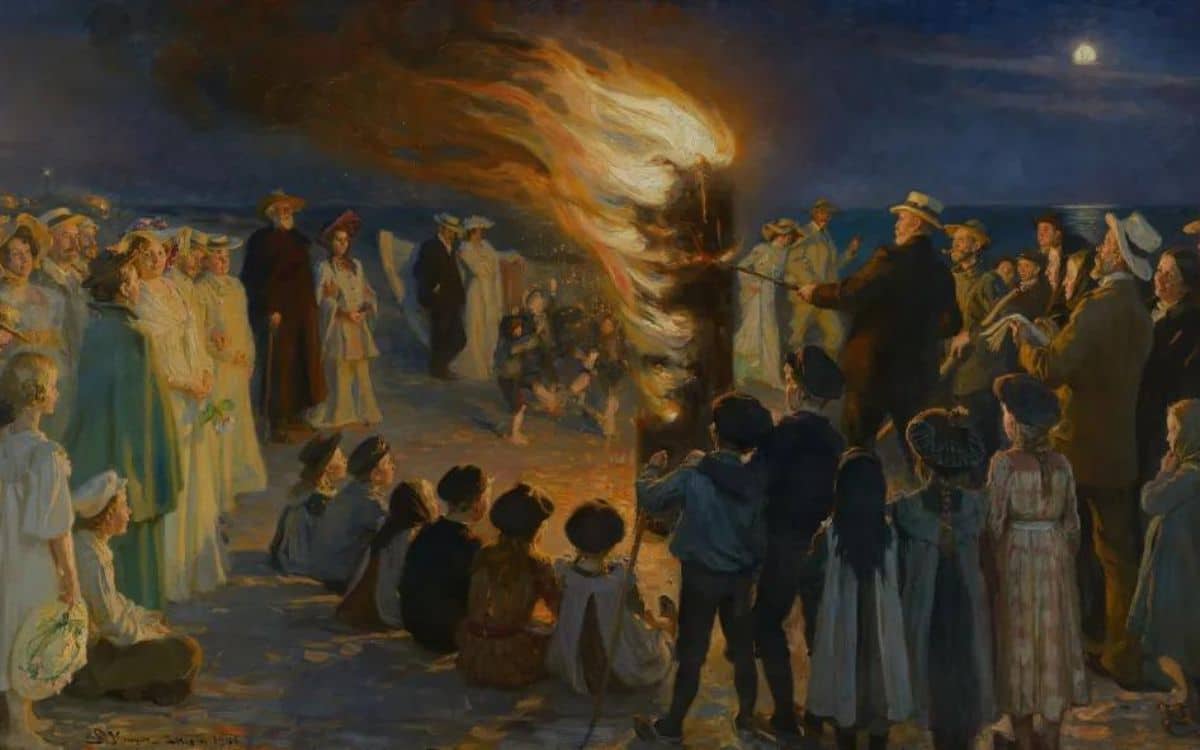
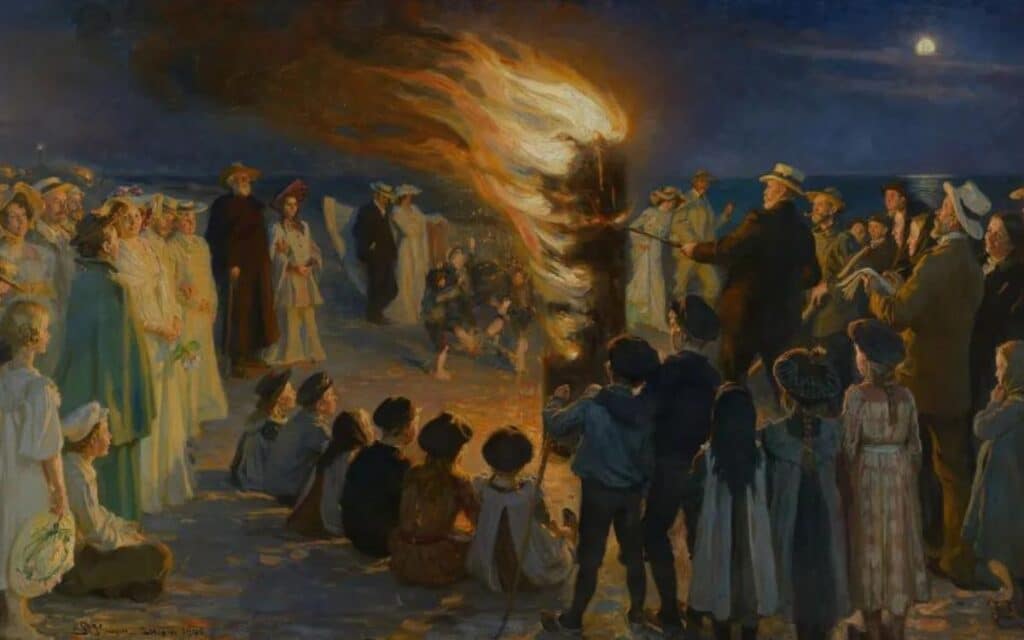
St. John’s Eve is a traditional Christian holiday celebrated on the evening of June 23rd, the eve of the feast day of St John the Baptist. The holiday has its roots in the pagan celebrations of the summer solstice and the transition from spring to summer and it has been celebrated in various forms for centuries.
In England, St John’s Eve is marked by bonfires, dancing and other rituals. It is a time when people traditionally come together to celebrate the longest day of the year and to welcome the arrival of summer. In some areas, young people jump over the bonfire for good luck and people may also light candles or torches and walk in a procession around the fire.
St John’s Eve is also associated with various customs and beliefs. It is said that on this night, the powers of darkness are at their strongest and people may try to protect themselves from evil spirits by lighting bonfires or by wearing charms and amulets. In some areas, herbs such as St John’s wort and vervain are also associated with the holiday and are used in various rituals and spells.
In addition to its Christian and pagan associations, St John’s Eve is also associated with various cultural traditions. For example, in some areas, it is a time for traditional folk music and dancing and in others, it is a time for storytelling or other forms of communal entertainment.
Today, St John’s Eve is celebrated in various ways throughout England, with local customs and traditions varying depending on the region. While some of the old pagan beliefs and rituals have been lost over time, the holiday continues to be an important part of England’s cultural heritage and a time for celebration and community.
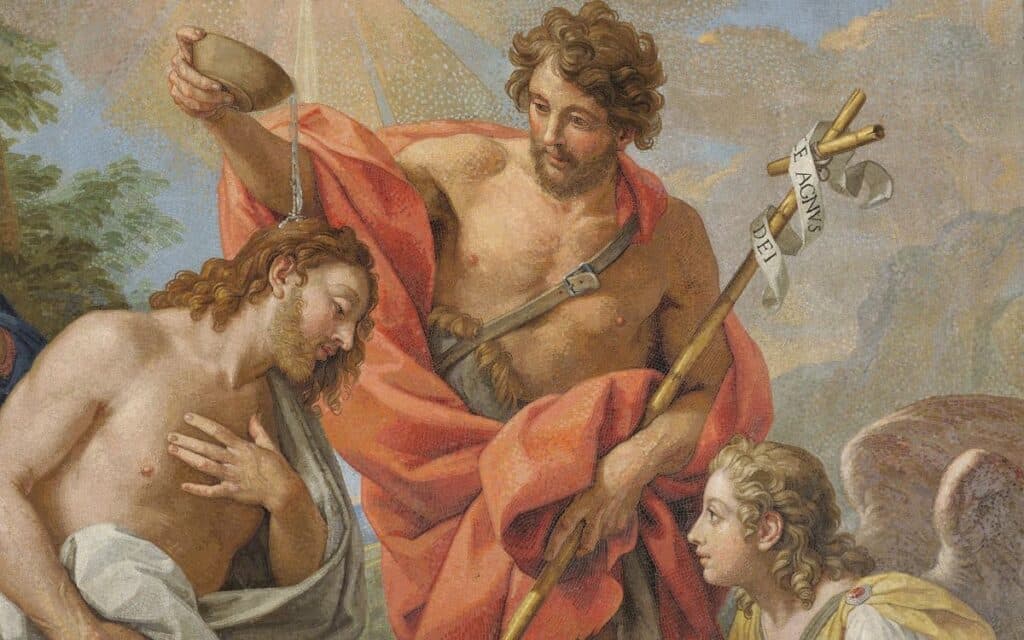
St John’s Eve and Freemasonry
St John’s Eve is of particular significance to Freemasonry, as the holiday is associated with the patron saints of the Freemasons, St John the Baptist and St John the Evangelist. In Freemasonry, the two Johns are often referred to as the “two great patrons and protectors of the craft”.
The celebration of St John’s Eve is an important part of the Masonic calendar and it is traditionally marked by special rituals and ceremonies.
In many Masonic lodges, St John’s Eve is celebrated with a special meeting, known as a “Festive Board”, where members of the lodge come together for a meal and other activities.
During the Festive Board, Masonic toasts are given to the memory of the two Johns and speeches and other activities may be conducted to honour their memory and contributions to the craft. The evening may also feature music, dancing and other forms of entertainment.
While the celebration of St John’s Eve is an important part of Freemasonry, the holiday is also celebrated by many non-Masonic groups and individuals in England and other countries.
In these contexts, the holiday is often associated with the summer solstice and the arrival of summer and it may be marked by bonfires, dancing and other forms of revellry.
Do you celebrate St John’s Eve? Tell us about it in the comments below!