Long before TV’s Batman, Birmingham’s Alan Napier haunted Hollywood — a towering, sinister force in horror who became Alfred, the butler with secrets
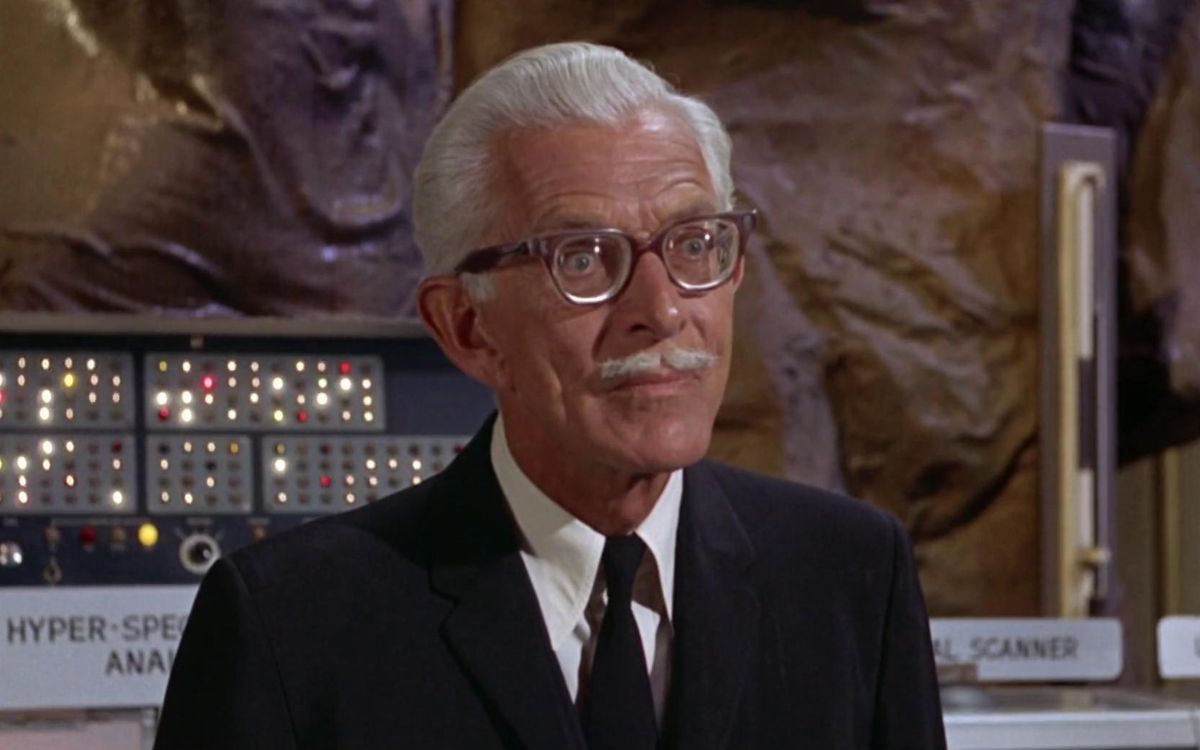
Most people know Alan Napier as Alfred Pennyworth, Bruce Wayne’s loyal butler in the 1960s Batman television series. Tall, dry, and impeccably spoken, he felt permanent — as though he’d always been there.
What’s less remembered is how deeply Napier was woven into horror, supernatural, and dark genre cinema long before Gotham City entered his life.
Born in Birmingham in England in 1903, Alan Napier trained at the Royal Academy of Dramatic Art and spent a full decade on the West End stage before turning seriously to film.
Like many British actors of his generation, he arrived in cinema with a fully developed presence — a controlled voice, precise movement, and a natural authority that American studios quickly recognised.
Napier was also physically imposing. At six foot six, he towered over many co-stars, a fact directors used carefully.
He was rarely cast as the frantic or unstable figure. Instead, he played doctors, priests, judges, scientists, and men of influence — characters audiences instinctively trusted.
Horror cinema often depends on that trust being slowly undermined, and Napier’s calm authority made that process especially effective.
By the early 1940s, Napier had become part of a familiar pattern in Hollywood. British actors with theatrical backgrounds were drifting into genre films, bringing gravitas and restraint with them.
This group included Boris Karloff, Basil Rathbone, Lionel Atwill, Claude Rains, and George Zucco.
Atwill and Rains were already major stars, while Zucco became a familiar presence in Universal and RKO horrors, often playing sinister intellectuals or doomed villains.
Alan Napier was never as famous as those men — at least not at the time.
He occupied a different space: less a headline name, more a dependable constant. He appeared where atmosphere mattered more than star power, and where a composed presence could anchor increasingly unsettling stories.
Napier appeared in Cat People in 1942, now recognised as one of the most influential psychological horror films ever made.
Produced by Val Lewton, it relied on suggestion rather than spectacle. Napier’s restraint suited that approach perfectly.
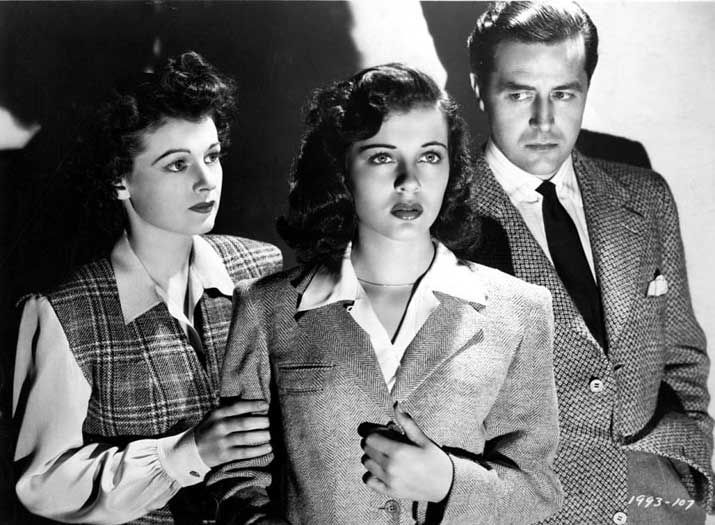
He followed this with The Uninvited, one of the earliest Hollywood ghost films to take the supernatural seriously, treating it as something genuinely unsettling rather than theatrical.
An interesting pattern in Alan Napier’s career is how often he was positioned between reason and dread.
In The Song of Bernadette, he played a psychiatrist brought in to dismiss a religious vision as delusion.
In The Premature Burial, adapted from Edgar Allan Poe, he appeared in a world obsessed with the fear of premature death.
These roles placed him exactly where horror thrives — where rational explanation begins to fail.
He also appeared frequently in films shaped by wartime unease.
Ministry of Fear, Hangover Square, and Isle of the Dead all reflect a period steeped in paranoia, moral ambiguity, and unseen threats.
Napier’s controlled performances allowed those tensions to build quietly around him.
By the 1950s, Alan Napier had become a reliable figure in genre cinema.
He appeared in The Mole People as a high priest ruling an underground civilisation, in The Strange Door, a Gothic tale of confinement and revenge, and later in Journey to the Center of the Earth, another story about venturing into hostile, unknown worlds.
Television extended this reputation.
Napier played Sherlock Holmes in an adaptation of The Speckled Band, appeared several times in Alfred Hitchcock Presents, and delivered a quietly haunting performance in The Twilight Zone episode Passage on the Lady Anne.
When Napier was cast as Alfred in Batman, he brought all of this with him.
His Alfred felt observant, capable, and unflappable — a man who had seen stranger things than costumed villains.
There’s something fitting in the fact that Alan Napier wasn’t the only former horror actor to become Alfred. Michael Gough, who later played the role in the Tim Burton Batman films, had also built a career moving through horror and genre cinema.
Two English actors. Two Alfreds. Both shaped by decades spent in darker worlds.
Napier retired in 1981 after a career spanning more than 50 years.
His autobiography, eventually published as Not Just Batman’s Butler, reflects a working life built on professionalism rather than celebrity.
Alan Napier belongs to a quiet tradition of British actors — alongside Karloff, Rathbone, Atwill, Rains, Zucco, and others — who gave classic horror its intelligence and restraint.
He was never the most famous, but he was almost always exactly where he needed to be.
Once you notice him, you start seeing him everywhere.
Selected Alan Napier Film and TV appearances
- Cat People (1942)
- The Uninvited (1944)
- Ministry of Fear (1944)
- Dark Waters (1944)
- Hangover Square (1945)
- Isle of the Dead (1945)
- House of Horrors (1946)
- The Strange Door (1951)
- The Mole People (1956)
- Journey to the Center of the Earth (1959)
- The Premature Burial (1962)
- The Twilight Zone: Passage on the Lady Anne (1963)