

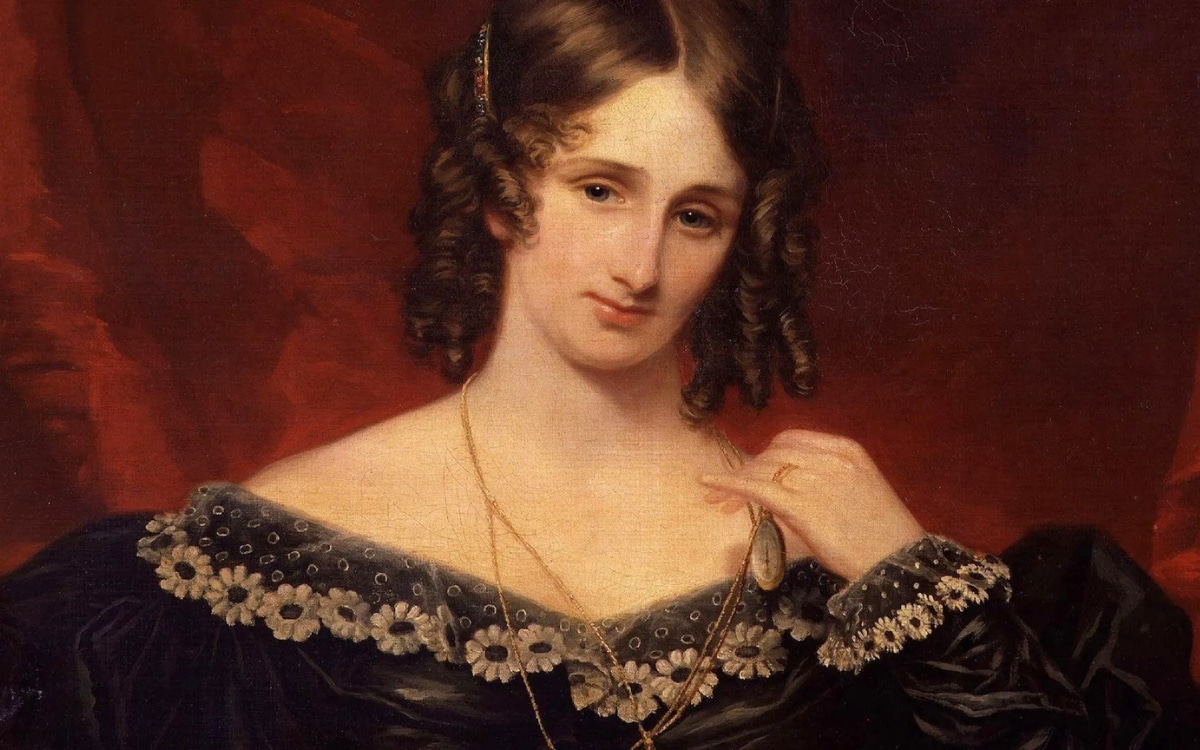

Mary Shelley’s experience of grief, imagination and the strange summer of 1816 all helped shape one of literature’s most enduring horrors, writes WILLIAM BOVE
In order for a story like Frankenstein to come about, the conditions must first be right. Not merely the conditions in Mary Shelley’s life, but the conditions in the world as well.
The world must be right for Romanticism. It must be primed for it. Many attribute a rise in Romanticism to social and economic upheaval.
This onset can be sparked by war, revolution or societal means. Too many injustices with little to no accountability. Those who should be protecting us by representing our interests become errant, ignoring the deepening depletion in what matters most for the individual to thrive by society’s standards.
These are some of the more common reasons why Romanticism becomes necessary.
But there are more relatable means as to why Romanticism is always necessary. A living thing needs to be fed, and fed by means that the mundane cannot fulfil.
It is important to find meaning, purpose and value in how we live. And of greater value still is the value to the human soul.
There is starvation that occurs within us. A terrible hunger that, if not fed, gnaws and tears at the very thing held in greatest value to being a human being and in being alive: the soul.
A soul is fuelled by imagination. Imagination requires whimsy, wonder, curiosity, discovery, expression and creativity.
To find these things is to find the magic in life, in being alive and in living. We have many guides to show us how to find these things.
They are found in intuition, the sense of self and awareness of being. More so than just the knowledge that we exist. There is the knowing that we are alive.
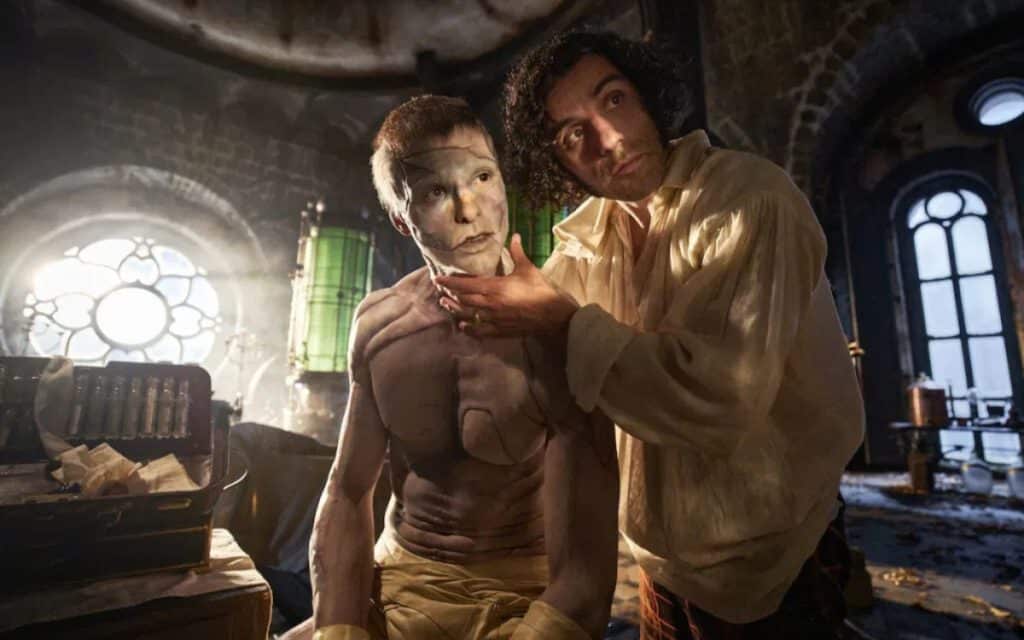
The intangible spirit in things reaches out to us and stirs our inner being. Rich and passionate electric life. This is the magic that lets us know we are truly alive.
In a moment, it can happen. We can experience these things in a dream, a book, an idea, a landscape and a season.
A chance encounter with an element of beauty we never knew existed. The knowledge of discovery we find from an idea told to us in a story that finds a place within us and makes a home that nothing can touch. Knowing that it will always be there for us.
A place that is known to be still and quiet, giving us a peace so serene, but housing a chill of something so old in decay that our very blood shudders to think of it ever again.
And we are compelled time and again to do so. Visiting this scene and that moment over and over in our minds, confessing only to our souls that we are truly afraid of what may come out of that decay and come for us one night.
Or worse yet, draw us out to it, and we are never heard from again.
It is not the fear or dread that keeps us away, but the excitement of what else we might find in that dread, or what that dread can be, that draws us near.
That is the essence of the magic that lives and is alive in the world always. The magic that finds us with imagination, storytelling and ideas.
A youthful exuberance that fills us with all human possibilities and teaches us all the value in being human.
Imagination, intuition and storytelling are where we find all of these things. They are waiting for us, and they’re waiting for us all the time.
Mary Shelley knew it, followed it, ate and drank at its table of never-ending delights. From this feast was birthed one of the most important and enduring horrors not just of her time, but of all time… Frankenstein.
The events during the summer of 1816 contributed in many invaluable ways to the creation of Frankenstein. Mary’s relationship with Percy, their love affair and true love for each other, meeting Lord Byron and spending time with him during the stormy gatherings at Villa Diodati, near Cologny and Lake Geneva in Switzerland.
The chill in the air that replaced the summer heat brought with it the presence of the grave, as cold as the story of Frankenstein itself.
I feel there were many other factors occurring much earlier in Mary Shelley’s life that contributed to the birth of the novel. Let’s look at some of them.
One often-repeated story says that she learned to form letters by tracing the inscription on her mother’s headstone.
Mary Shelley would often visit her mother’s grave at St Pancras Churchyard, where she read the works of her mother, Mary Wollstonecraft. In the graveyard she formed a relationship with death and garnered a love for the aesthetics of the grave.
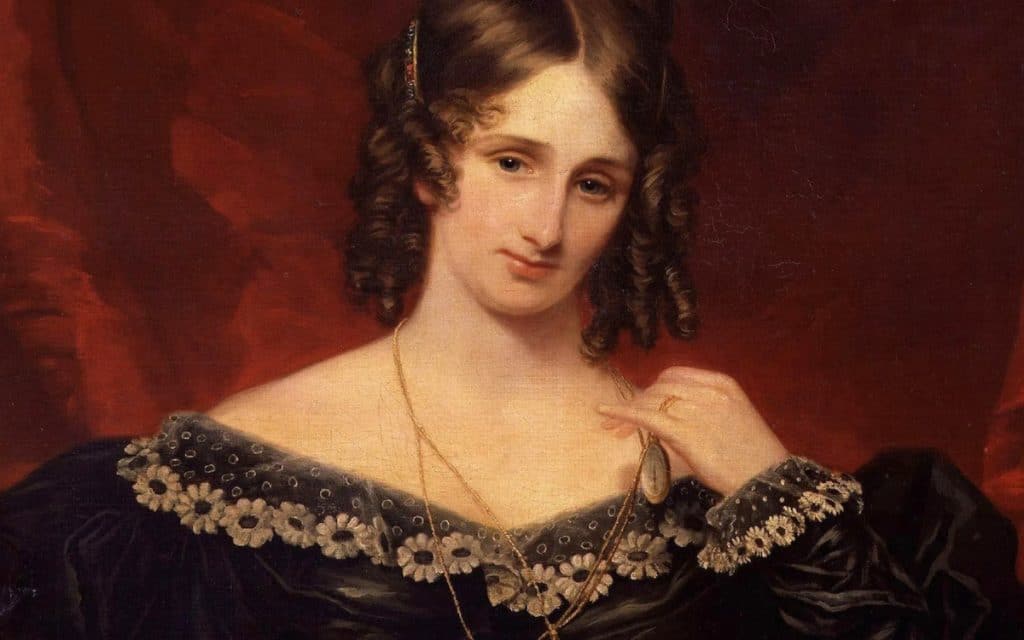
Mary Shelley herself was surrounded by intellectuals, tutors, her father’s well-seasoned literary influence, his vast library and a flood of philosophers and poets of the time.
One of them was Samuel Taylor Coleridge. He was a visitor to the Godwin household, and Mary later remembered hearing him recite The Rime of the Ancient Mariner.
Percy Shelley would later become acquainted with John Keats through the literary circle around Leigh Hunt.
Great personal loss and deeply impacting tragedy were sewn deeply into the influence of what became Frankenstein. Mary gave birth to four children, but only one survived to adulthood. His name was Percy Florence.
After the death of her first baby in 1815, Mary dreamt that the child had come back to life. In the dream, the baby had only been cold and was revived by being rubbed before the fire.
She recorded in her journal: “Dreamt that my little baby came to life again; that it had only been cold, and that we rubbed it before the fire, and it lived.”
After the dream she included this heartbreaking final note: “Awake and find no baby. I think about the little thing all day. Not in good spirits.”
The elemental horror and terror of death had become so essential in Mary Shelley’s life that it had to be expressed. The elements were expressed with the same haunting imagery that she had first experienced with the dream of her child.
It is tempting to see in that dream an all-consuming desire to resurrect her child, defy nature and overcome death itself.
And from such horror, Frankenstein had to be born.