
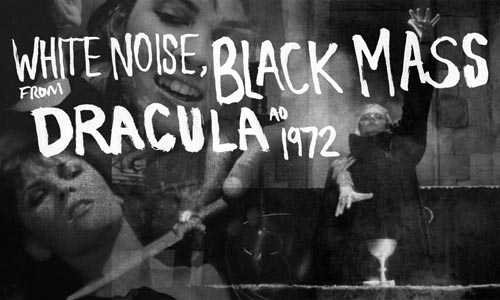
White Noise, Black Mass, An Electric Storm In Hell, from Dracula AD 1972

White Noise, Black Mass, An Electric Storm In Hell, from Dracula AD 1972 2

DOM COOPER looks at the music from the Hammer vampire classic, Dracula AD 1972
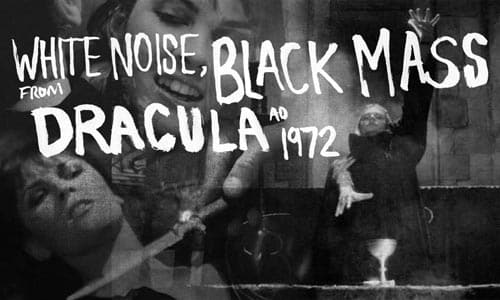
White Noise, Black Mass, An Electric Storm In Hell, from Dracula AD 1972 3


White Noise – ‘Phase Out’ The Visitation, Black Mass: An Electric Storm In Hell

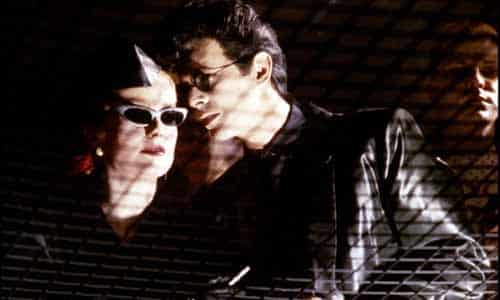
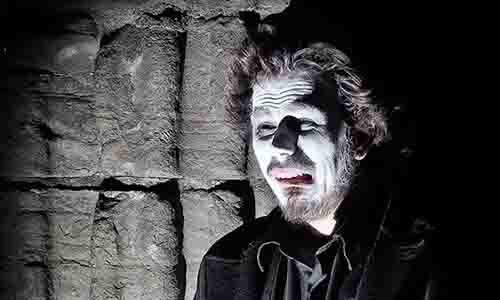
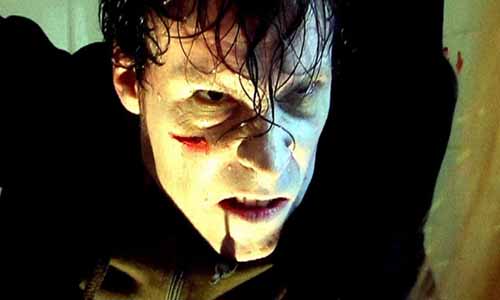
A young couple walks into the crypt of an abandoned church. All around them the stone crumbles and darkness casts long shadows. A giggling man in a white robe leads them towards a circle of people, interrupting the silence of the gothic gloom. They join a small cabal who are knelt round a pentagram chalked upon the stone. Above them a man in black robes stands by an altar that is adorned with an upturned crucifix.

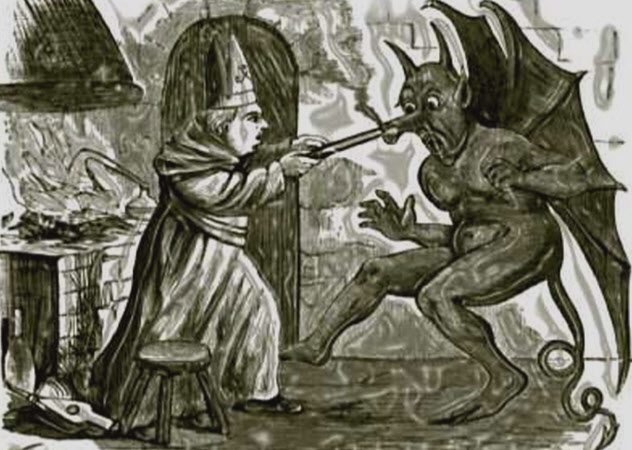
He motions to begin and the man in white switches on a tape machine. Reels turn and the sound of frantic drumming fills the cavernous space. From behind the altar, chalice aloft, the black robed figure starts to call upon demons, chanting names, enacting a black mass. The music starts to warp as electronics merge with the drums. Finally, echoed screams join in.

This is the sound of White Noise’s ‘Black Mass: An Electric Storm In Hell’, and the scene is from the Hammer film Dracula AD: 1972.

White Noise formed in 1968, conceived by David Vorhaus – a classical musician with an interest in electronic music and a background in physics. He was transfixed by both the possibilities of sound and the science behind it. Whilst en-route to a concert, a friend mentioned a lecture on electronic music that was taking place next door. Intrigued, he decided to attend. Brian Hodgson and Delia Derbyshire of the band Delta Unit Plus (who also worked at the BBC’s Radiophonic Workshop) led the talk, in which they discussed methods of creating music through tape manipulation. David was so excited by their words that he persuaded them to collaborate with him on a new venture and the group White Noise was born.

Making music by tape splicing was a slow process, hindered in part by Brian and Delia’s day job, the trio of pioneers convened as often as they could at David’s flat/studio in Camden (dubbed the Kaliedophon) and set about combining their talents. The group’s painstaking efforts paid off when two completed tracks found their way to Chris Blackwell of Island records – who insisted on putting out a whole album by the band, granting them a cheque for £3000 straight away.

‘An Electric Storm’ took a year to finish, but the result is a record of unique oddity. On the reverse of its sleeve are the lines ‘Many sounds have never been heard – by humans: some sound waves you don’t hear – but they reach you. ‘Storm Stereo’ techniques combine singers, instrumentalists and complex electronic sound. The emotional intensity is at a maximum’.

During the recording of the album David’s Camden studio overran with tape – snaking on the floor like worms. His flat emanated strange noises, as machines whirred away – what must have passersby thought?

White Noise’s process of music creation used tape editing, early synthesizers, and effects units. Voices became source material for sounds, sped up and slowed down. Samples were fed in and back out again through the Azimuth coordinator and other bizarrely named equipment.

Soon the label started to get twitchy at the length of time the recording was taking and demanded that it be delivered the next day. The band was left with just 24 hours to create a final piece, when all the other tracks had taken months.

For their finale they drew upon the occult and improvised live in one long take. Incorporating Gregorian chanting, rolling drums and piercing screams. ‘Black Mass: An Electric Storm In Hell’ became the final track on the second ‘Phase Out’ side of the album.

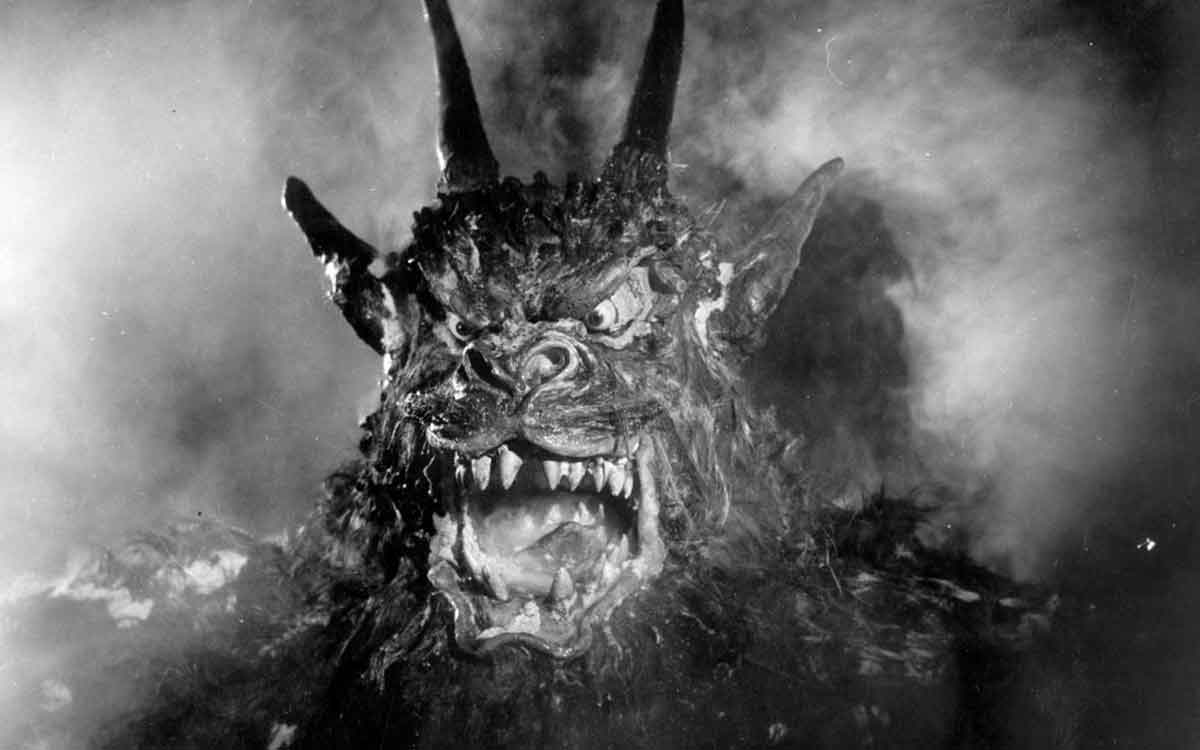
The music is perfect for the dark and heightened manner of the film’s scene. What seems like harmless play-acting and a fun flirtation with the occult becomes more serious as the black mass starts. A close up of a small tape machine sets up the use of White Noises track. It starts midway, at the point when the drum solo is in full freeform flow. On the floor the cabal start to feel the rhythm – they kiss and sway, whilst the black robed man urges them on, ‘ … let it flow into you … ‘. A screeching sounds, and the man calls out to demons, ‘Andras, Grand Marquis of hell and provoker of discord … Behemoth … his satanic majesty … and Count Dracula’. The track notches up a level and the screaming noises start. The ritual heightens; smoke rises and the tape machine spool ends abruptly. The music cuts off, whilst the mass continues to its bloody conclusion.

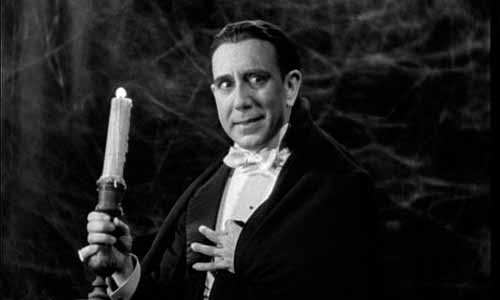
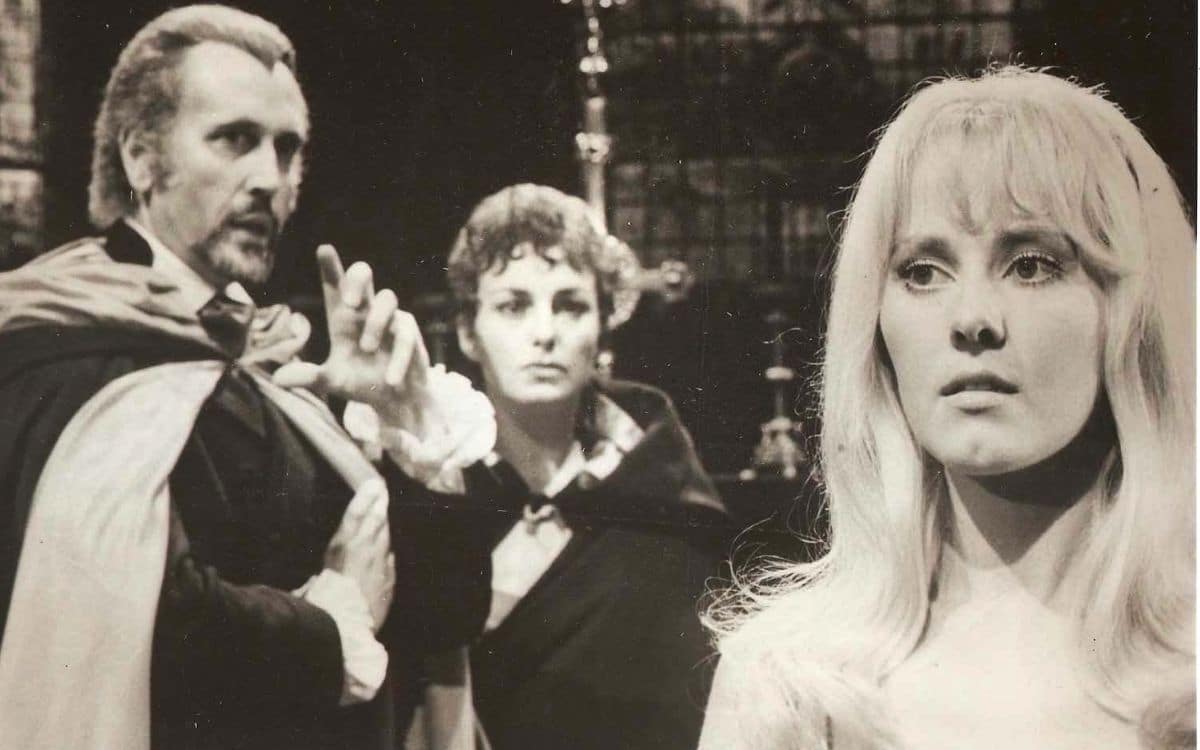
The 1972 film, a tale of Dracula in modern day, starred Christopher Lee and Stephanie Beacham. Brought back to life by the ritual, Dracula preys upon young swinging London.

Also on the ‘Phase Out’ side of the album is the track ‘The Visitation’, which is a long piece of musique concrète, that took three months to assemble. Inspired by techniques pioneered by Stockhausen and familiar to anyone who has heard ‘Revolution 9’ by The Beatles. The track tells the story of two lovers, who plan to meet secretly, but are torn apart by a motorcycle accident that kills the boy before he arrives. We hear the revving engine and the screech of tires, and finally the crash.

Followed swiftly by a scream from the girl. This gives way to a psychedelic organ sound and singing from the boy. His voice echoes from the beyond to tell her that he will ‘ … go back to my darkness’. He continues, ‘I see you waiting for me’. She cries for him not to go – her sobbing merging with ominous chords. ‘The Visitation’ is the albums dark centrepiece. A kind of audio ‘Psychomania’ meets ‘The Girl On A Motorcycle’.

After the album’s release, Delia and Brian left the group to concentrate on their BBC work, leaving David to carry on with the name. He recorded a further five albums, with the last appearing in 2006.

‘An Electric Storm’ wasn’t commercially successful at the time, but it has grown to be a cult record, influencing many contemporary artists. The ‘Phase In’ side mainly consists of psychedelic sixties pop, albeit in a cut-up electronic way. But the ‘Phase Out’ side contains two great tracks, three months and one day’s work – a cacophony of electronic music as dark as the tape it was created on.
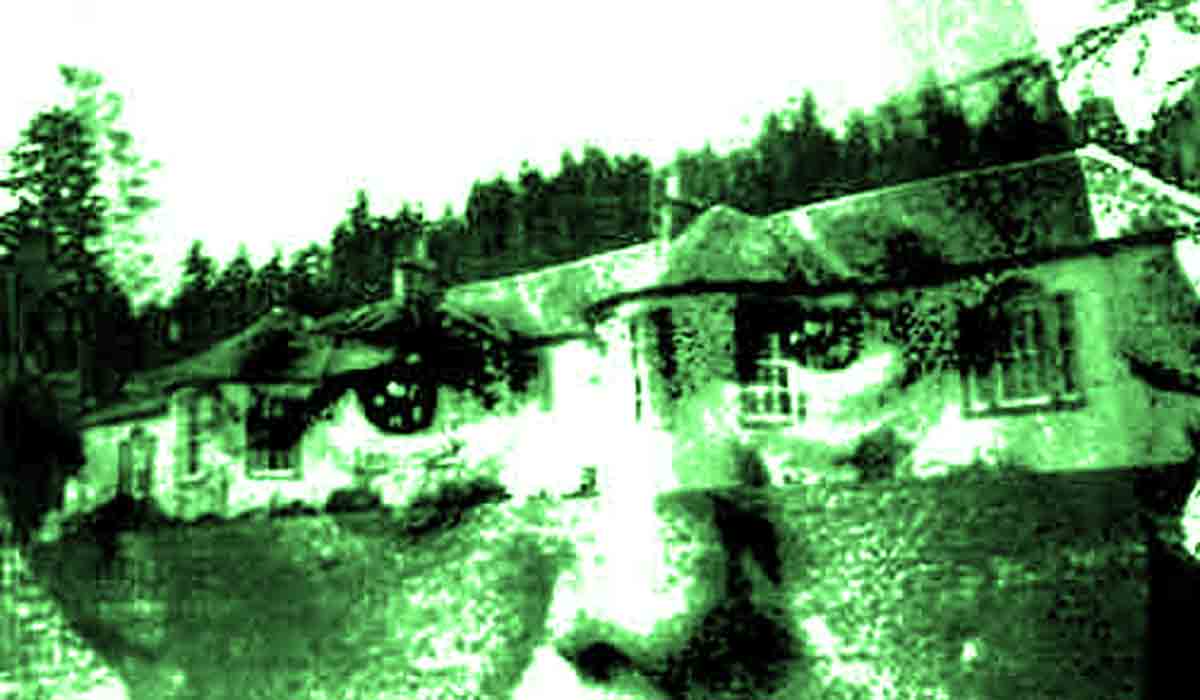
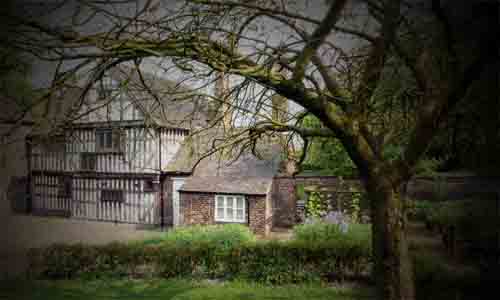
Listen to Black Mass (Electric Storm in Hell) from White Noise, 1969

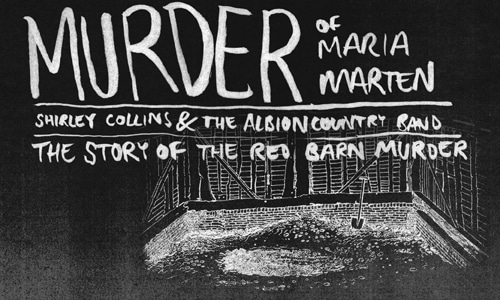
Red Barn Murder Told in Song: Shirley Collins and The Albion Country Band

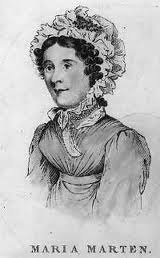
Maria Marten Red Barn Murder

Shirley Collins and The Albion Country Band created a 70s folk music classic based on the infamous 19th century Red Barn Murder of Maria Marten

Maria Marten Red Barn Murder

Thwarted by a ghost?

A man has just committed murder. Sweating, he buries the bloody body and sits down out of breath. His spade slides away from him with a scraping sound. Sitting there on the cold earthen floor, he runs it all through his mind – no one saw me, I’m sure. No one will ever find the corpse. Will they?

What he hadn’t planned for though, was the ghost of his victim betraying him. By appearing to her stepmother in a dream, urging her to discover the grave where she lay rotting.

This is the case of Maria Marten, and the infamous Red Barn murder.

Cue music fading in. A folk-rock band plays a tune that is driven along by a fiddle on the left and a monkey-puzzle guitar on the right. Bass and drums hammer away behind. Then a singer starts – her high English voice telling the grisly tale. Promising, that the girl (Maria) will be married, whilst revealing at the same time, the protagonist (William) is lying.

“He straight went home and fetched his gun, His pickaxe and his spade. He went unto the Red Barn. And there he dug her grave.”

Maria Marten

The music fades out as quickly as it started. Replaced by the eerie sound of a Hurdy Gurdy. You can hear its keys tap and its handle turn. Whirring away in a high-pitched drone screech, the Hurdy Gurdy accompanies the singer, as she becomes the killer. Confessing that he is resolved to take Maria’s life away.

Who was Shirley Collins?

This is the voice of Shirley Collins. Expressing the theatre of all it. Shirley Collins, who was born on the 5th July 1935, is a highly-regarded British folk singer. Awarded a MBE, she has contributed greatly to the folk revivals legacy.

Shirley grew up in a family who celebrated traditional song, so she started singing at an early age. After school, she found herself amidst the folk revival of the late fifties. Upon meeting Alan Lomax, she accompanied him to the American south on a folksong-collecting trip. On her return to Britain, she recorded several albums. Becoming part of the growing folk revival. In 1964 she made a seminal album with innovative guitar player Davey Graham called ‘Folk Roots New Routes’. She followed that with ‘Anthems in Eden’ in 1969 – a collaboration with her sister Dolly that incorporated the medieval music of David Munrow. In 1971 she married Ashley Hutchings (the bass player and leader in both Fairport Convention and Steeleye Span). The couple bonded over traditional music and he helped produce the album ‘No Roses’ in that same year.

Credited to Shirley Collins and The Albion Band, it features 27 musicians and singers, making it a celebration of the folk scene at the time. Most of the album has a merry jaunt, but one track in particular has a blackened heart. It’s the fourth track, ‘Murder of Maria Marten’, which was based on a folk song collected by Roud in 1908.

The band kicks back in, the deathly drone fades out. Now the murderer William Corder confesses his plans. After asking Maria’s hand in marriage they set a date. But, on that day he kills her instead and buries her body underneath the barn’s red earth floor.

“After the horrid deed was done, She laid there in her gore, Her bleeding mangled body lay, Beneath the red barn floor.”

What was the Red Barn Murder?

This is Mr. William Corder, famous Victorian Suffolk Murderer, whose death mask can be found in ‘The Moyse’s Hall Museum’ in Bury St Edmunds.

The case caused a sensation at the time. Questions were asked about how the mother knew where the body was, why the victim wore men’s clothing, and what happened to her baby?

William was born in 1803, the third son of a farmer from Polstead. After gaining a reputation as a ladies man, he took up with Maria in 1826. She was 24 years old, attractive and the mother of a boy named Thomas Henry, the product of an earlier affair. The pair met frequently at the red barn on the Williams land. A large wooden building covered with red tiles, hence its name.

Keen to marry, Maria soon fell pregnant. The infant died though and subsequently they both buried its corpse. This fact was later used against William in court because he hadn’t recorded the burial, so he was suspected of killing the infant too.

Six weeks after the infant’s death, William proposed with a ring and promised Maria they’d marry in Ipswich that very day. He dressed her in male clothing to avoid attention and asked to meet her at the barn. It was there that she met her fate.

Disappearing for a short time, William returned to the farm and told Maria’s parents he’d left his new bride in Ipswich. Her parents kept on asking questions though, which led William to leave, saying he was moving to the Isle of Wight with Maria.

Just after the murder, the stepmother’s dreams started. She dreamt that Maria was buried beneath the red barn, and they became so vivid that she persuaded her husband to dig up the earth floor. It was there in a sack, that they found the mangled remains of Maria.
Corder was tracked down and brought to trial. The event itself was rife with speculation, mainly due to a general disbelief of the dreams. An affair between William and the stepmother was rumoured to discount the supernatural explanation. Eventually though, Corder confessed that he’d shot Maria during an argument about their recently deceased child.

Three days later he was hung for the crime, a death mask was made and body parts preserved (his ear and scalp, now reside in the museum). His body had to be cut open to help the muscles relax during the hanging. Yet the crowds still looked on as his stomachs contents were revealed.

Once again the full band come back in to tell the tale of the murder. Nic Jones joins Shirley for the last few verses, and is a great foil to her delicate voice.

“She sent the father to the barn, Where he the ground did thrust. And there he found his daughter, Lay mingling with the dust.”

Recorded in the summer of 1971, the album was released that October. Later becoming an essential album in the folk-rock cannon.
The song ends on the drone. Shirley singing her adieu and telling that Corder is to be hung. He warns other young men of his fate.

“So all young men who do pass by, With pity look on me, For murdering of that young girl, I was hung upon a tree.”

The Hurdy Gurdy plays out, to be overtaken by the sound of a wooden cart passing. You imagine William led away to his gallows to the sound of creaking wood.
Did a ghost thwart William? We shall never know.

DOM COOPER is a graphic designer, illustrator and writer. He co-runs Rif Mountain Records and plays in The Straw Bear Band. Previously he played in The Owl Service, The Fiends and Wolfgang & The Wolf Gang. Dom is obsessed with music, and is interested in British folklore, history and culture. Follow him at @domcooperdesign | Find him at www.domcooper.com